The asylum seeker whose claim has taken so long to process that he’s had time to start a family
 by 0
by 0 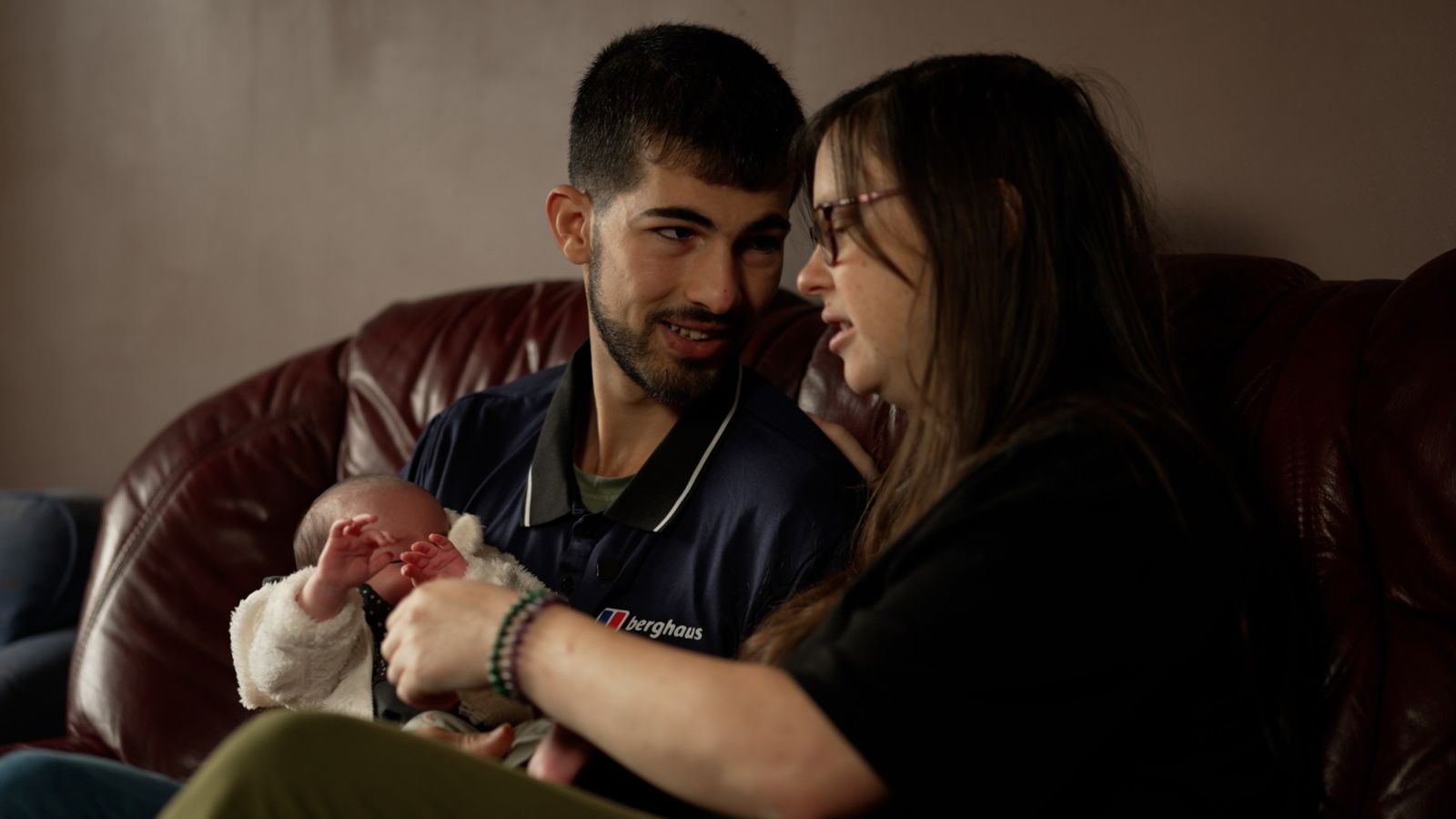 by 0
by 0 
“The system is more than broken – it crossed that limit a long time ago,” says Palestinian asylum seeker Ibrahim Altaqatqa.
Ibrahim came to the UK two years ago on a tourist visa – then claimed asylum.
In the time he’s been waiting to have his claim processed, he’s met his partner Yvonne, who is English, and five weeks ago their baby daughter Alisha was born.
But his asylum claim remains unresolved, and he says he can’t return to his home near Hebron in the West Bank because of his political activism.
“I can’t just be stuck like this,” he says. “I can’t just waste day after day of my life waiting for somebody to say ‘OK, we give you a decision’.”
He wants to move on with his life and be allowed to work, he says.
“I don’t think you need two years to process any asylum claim. I don’t think there’s any case that’s complicated to that level. I’m not single any more. I’ve got other responsibilities now.”

‘I’d be happy to join hotel protests’
Formerly a farmer in the Golan Heights, Ibrahim says he’s well aware of the shifting public mood over immigration and shares frustration over the money being spent on asylum seekers.
“I don’t think they are putting their anger toward the right group,” he says. “On many occasions, I spoke with a lot of them – the people who were protesting by the hotel.
“I said ‘if you are really angry and if you really want to save your country, I will be more than happy to come with you and let’s go together to protest’.”
Protests over plans to house asylum seekers in barracks
Ibrahim says he stayed in three Home Office-funded asylum hotels and claims at one point he got scabies.
He claims the food and conditions were so bad at one point, he left and slept on the streets.
Huge backlog of asylum claims
Meanwhile, the National Audit Office (NAO), the UK’s independent public spending watchdog, has published a study on the processing and costs of people claiming asylum, examining the causes of delays and inefficiencies.
It analysed a sample of 5,000 asylum claims lodged almost three years ago and found 35% of them have so far been granted, while 9% of the claimants have been removed from the UK.
But the claims of more than half – 56% – remain unresolved.
Ruth Kelly, NAO chief analyst, says ministers have tended to take “short-term reactive interventions to fix problems, but then these have led to other pressures forming elsewhere in the system and new backlogs forming”.
“That’s led to wasted funds, poor outcomes for asylum seekers, and harm to the government’s ability to meet its obligations to citizens.”
The NAO estimates in the last year the Home Office and Ministry of Justice spent nearly £5bn on asylum – more than £2bn of that on asylum hotels.
It says there is a lack of a “whole system” approach within the Home Office; no shared objectives and there needs to be more robust shared data.
The NAO said it found the Home Office’s effectiveness and value for money are being undermined because of fundamental barriers that mean people seeking asylum spend extended periods waiting in the system.
Read more on Sky News:
Asylum seeker taxi ban
Rise in asylum seekers in hotels
How immigration system is changing
The government has announced a raft of new measures to overhaul the asylum system but the watchdog points out they will take time and parliamentary approval to introduce.
In November, the home secretary acknowledged some people who are coming to the UK are economic migrants seeking to abuse the system, with even genuine refugees passing through other safe countries searching for the most attractive place to seek refuge.
Beth Rigby: The two big problems with Labour’s asylum plan
Government vows to ‘restore order’
With asylum claims falling across Europe but rising in the UK, the government says it wants to reduce illegal migrant arrivals and increase the removal of people with no right to be in the UK.
A Home Office spokesperson said the home secretary “recently announced the most sweeping changes to the asylum system in a generation to deal with the problems outlined in this report.
“We are already making progress – with nearly 50,000 people with no right to be here removed, a 63% rise in illegal working arrests and over 21,000 small boat crossing attempts prevented so far this year.
“Our new reforms will restore order and control, remove the incentives which draw people to come to the UK illegally and increase removals of those with no right to be here.”