Gaza longs for normality, but quasi-anarchy reigns and Hamas is once again exerting control
 by 0
by 0 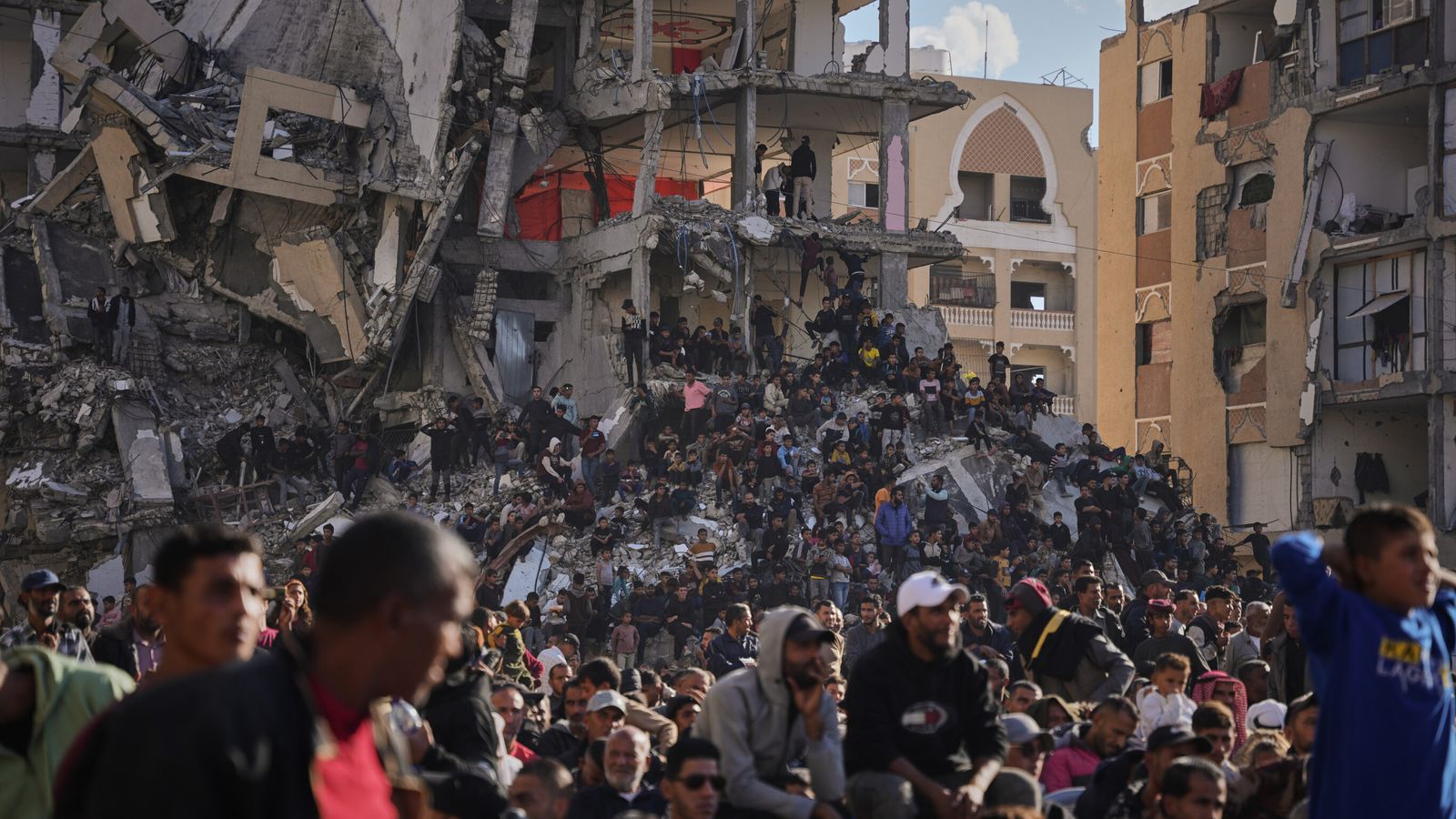 by 0
by 0 
There is a desperate desire for normality in Gaza – for full shops, functioning hospitals, open schools, habitable homes and usable roads. For electricity that comes on reliably, skies that don’t hum with drones and days that don’t crackle with gunfire.
In Khan Younis, 54 couples got married at one enormous shared ceremony. The event attracted crowds who clambered on to a smashed-out building opposite the dais to wave at the brides and grooms, and to celebrate. Amid a grey landscape of dust and destruction, the image was one of colour and cheer.
It is a captivating vision of a better world, but it is an illusion. Gaza is still being ripped by tides of danger, violence and volatility. And it all sits within a cobweb of conflicting interests that makes security so precarious that you wonder how peace can ever return.
Take the past day or two. First, the Israeli military says that five of their soldiers have been injured after being attacked by Hamas fighters who may have emerged from hiding in tunnels.
As has happened after all such incidents previously, Israel responds with a show of might – with an airstrike that, it says, was aimed at a senior Hamas official. In the ensuing fallout, civilians, including two children, are killed.
Israel also announces that it will open the Rafah Crossing, but only to allow people out of Gaza. Egypt says it won’t co-operate unless the crossing allows people to go in both directions. Israel, which suspects Egypt of offering financial support to Hamas, does not agree. Stalemate.
Also in Rafah, Yasser Abu Shabab, leader of a militant group that opposed Hamas and was getting covert backing from Israel, is killed, presumably by Hamas fighters. Exactly how they got into his territory is hard to guess, but his killing suggests that, far from being degraded, Hamas is once again exerting control.
Read more:
Anti-Hamas militia leader killed in Gaza Strip – reports
Rafah crossing to open ‘in coming days’, Israel says
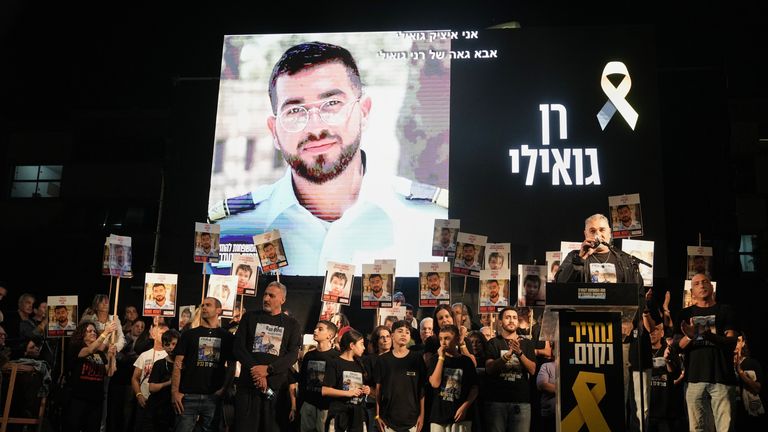
And then there is the return of the remains of the penultimate hostage, Sudthisak Rinthalak, from Gaza to Israel. Only one body now remains to be handed back, that of police officer Ran Gvili, and once that has been returned, then we wonder what will happen next.
In theory, we enter Phase Two, which will see a flood of aid, the disarmament of Hamas, the rebuilding of Gaza and a new governance structure. But the obstacles ahead are monumental, ranging from questions about exactly who is going to take Hamas’s weapons away from them, to how Palestinians are going to feel about Gaza being governed by foreigners.
Sources say that a huge amount of effort has been invested, largely by American diplomats, soldiers, planners and business people, in trying to plan for this future. America has a huge co-ordination centre set up in southern Israel and President Trump believes that peace in the Middle East is his ticket to the Nobel Prize.
But it would be a huge – strike that, impossible – stretch of faith to think that these plans will come into play effortlessly. They won’t. The ambitions outlined in Phase Two are still little more than hopes.
For one thing, half of Gaza is still under Israeli military control and the IDF are not going anywhere. For another, the other half of Gaza is in a state of quasi-anarchy.
The idea of a military supervisory force has been signed off by the United Nations, but has not yet been created. Nor has a set of rules of engagement – imagine if an Egyptian military unit comes across a firefight between Hamas and a different militia – who would they shoot at first? What rules would cover their actions? How do you maintain peace in Gaza?
The questions go on into the distance. And, as long as Hamas regroups, so the concept of it then choosing to voluntarily disarm and largely disband seems harder and harder to believe. If that doesn’t happen, then Israel will not stop worrying about another October 7 attack.
We could go on like this, but the point is clear. The return of the final hostage will bring into play a mass of new questions, none of which appear to have answers. And for the people of Gaza, the anxiety of life will roll on.