‘Systematic failures’ in China spy trial could be repeated, MPs warn
 by 0
by 0 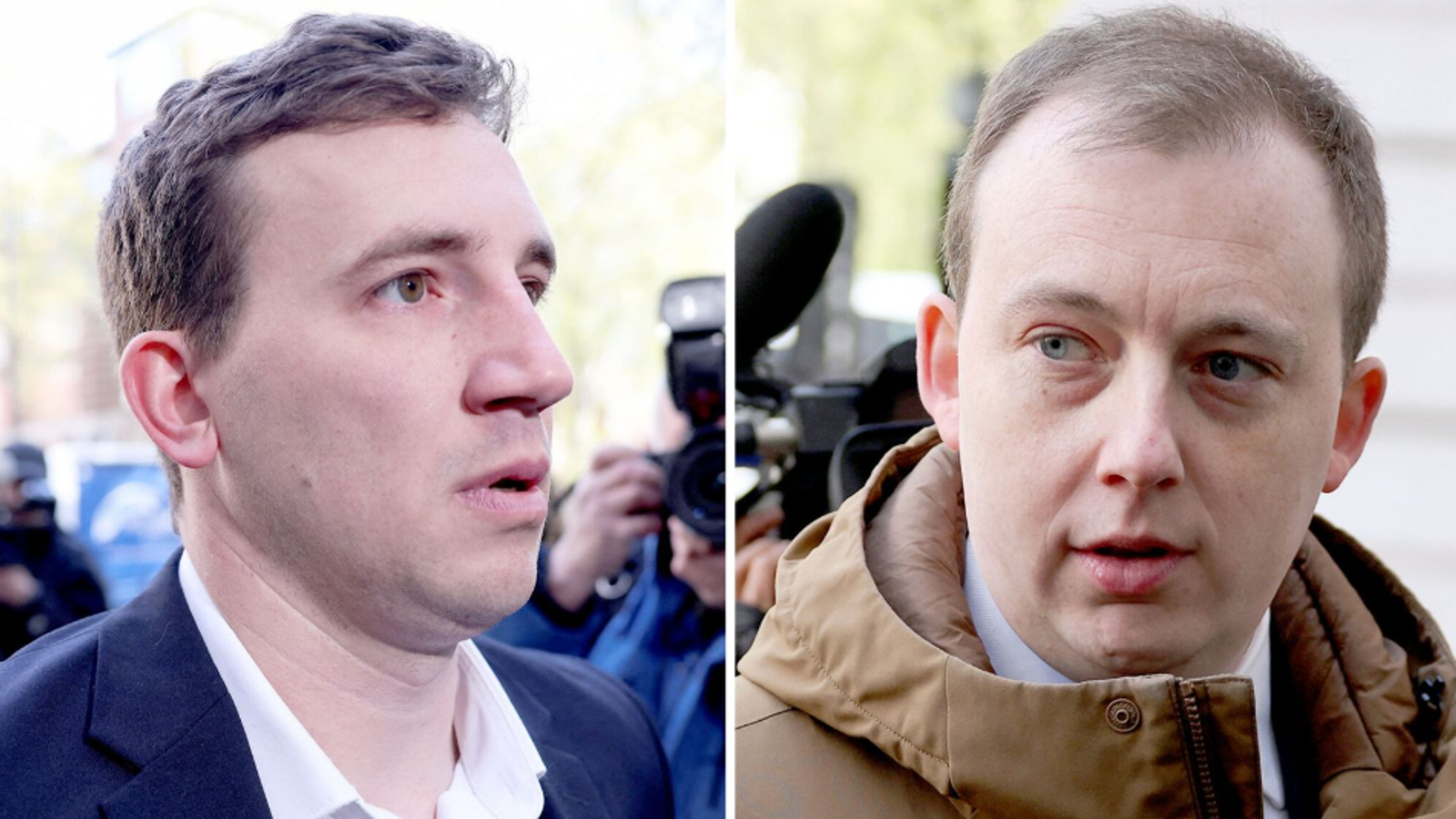
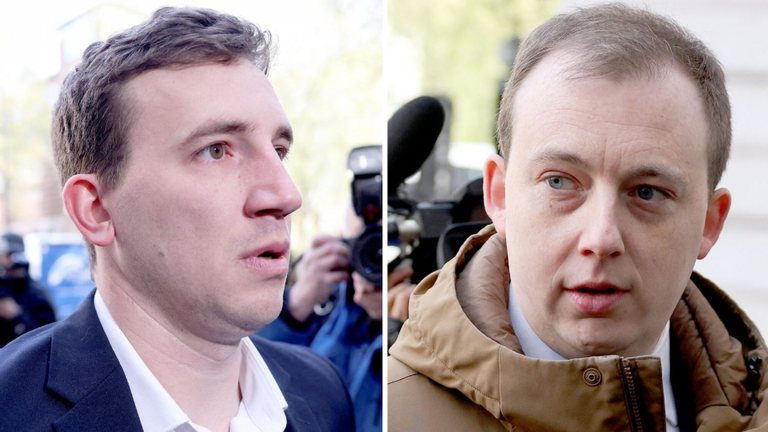
“Systematic failures” led to the Chinese spy case collapsing – and there’s a risk they could be repeated, a parliamentary inquiry has said.
A report by the Joint Committee on the National Security Strategy (JCNSS) criticised the government and Crown Prosecution Service (CPS) after the case against two British men accused of spying for China collapsed.
Former parliamentary researcher Christopher Cash and teacher Christopher Berry were accused of passing secrets to Beijing between 2021 and 2023. They deny the allegations.
The charges were dropped in September as the CPS said it could not get evidence from the government referring to China as a national security threat, prompting accusations of a “cover-up” by the Conservatives.
The report by the cross-party group of MPS and peers said the case was beset by “confusion and misaligned expectations” and cautioned against dismissing the case as a “one-off” caused by outdated espionage laws – something the government blamed for the case’s collapse.
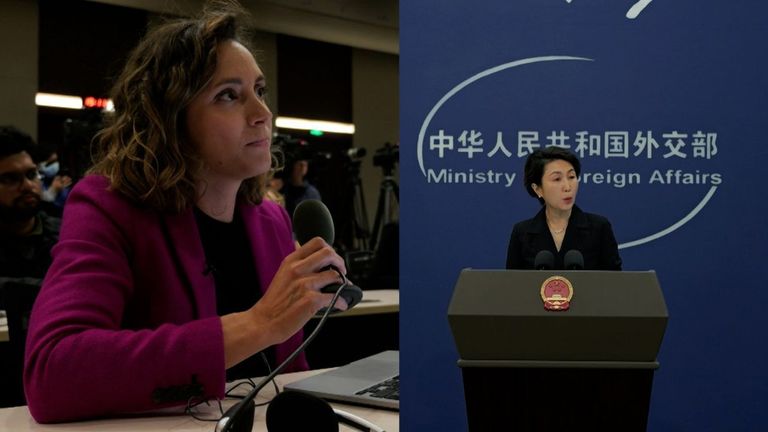
Sky questions China on alleged spying
‘Serious systemic failures’
The committee – which launched a highly unusual investigation following the controversy – warned there are parallels in new legislation which must be handled carefully to prevent a similar issue from recurring.
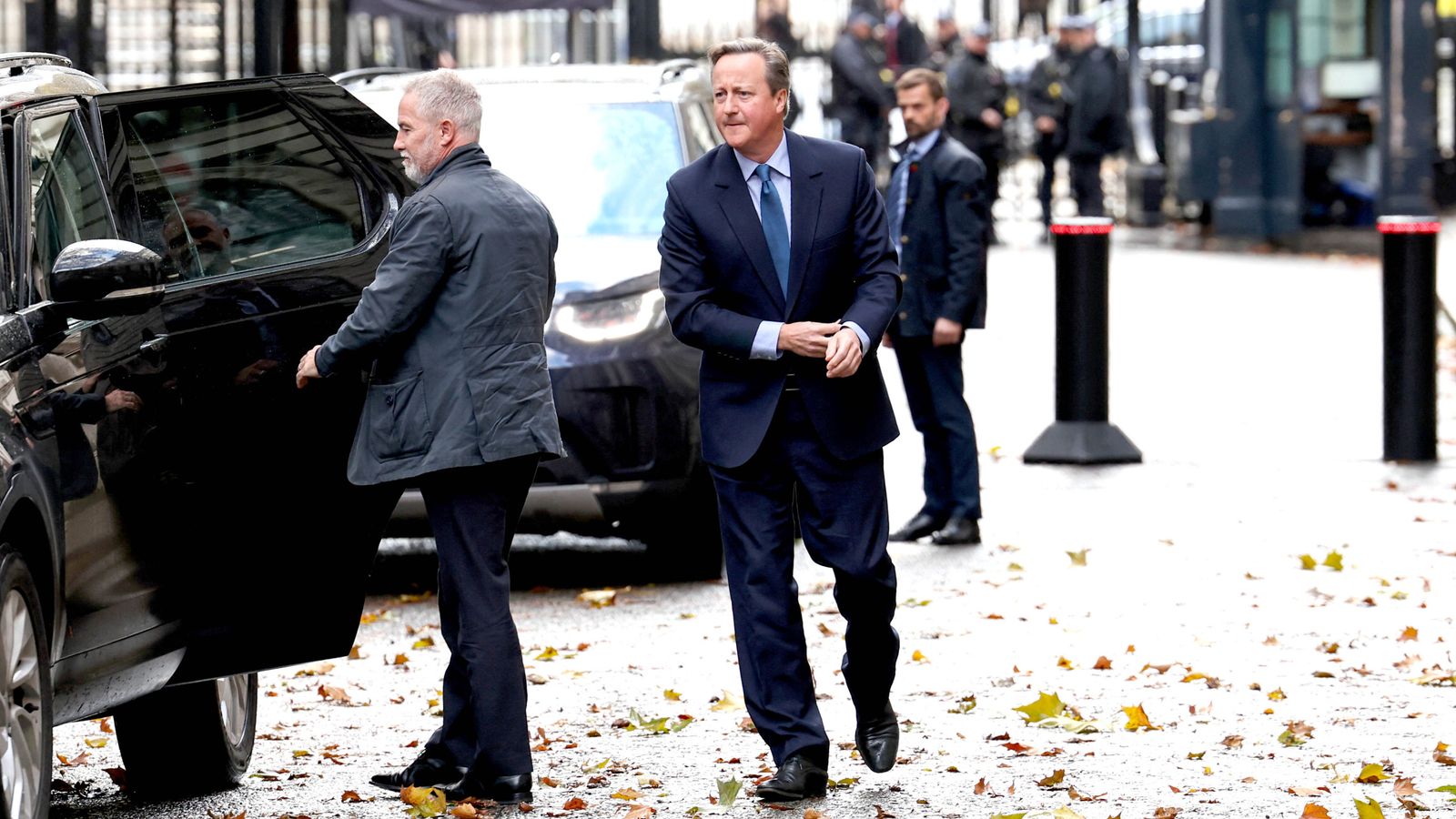
But while “the sequence of some events has raised eyebrows”, it found no evidence of deliberate or co-ordinated attempts to block or collapse the prosecution – including by the prime minister’s national security adviser Jonathan Powell, who met with officials about the case two days before it was dropped.

However, the committee added: “Overall it is clear that there were serious systemic failures and deficiencies in communications, co-ordination and decision-making.”
It described communications between the government and CPS as “inadequate” and lacking clarity, with an “insufficiently robust” level of senior oversight right from the start of proceedings in 2023 under the Tories.
Read more:
Key witness ‘surprised’ case collapsed
MPs warned of new spying attempts
Not enough ‘common sense’?
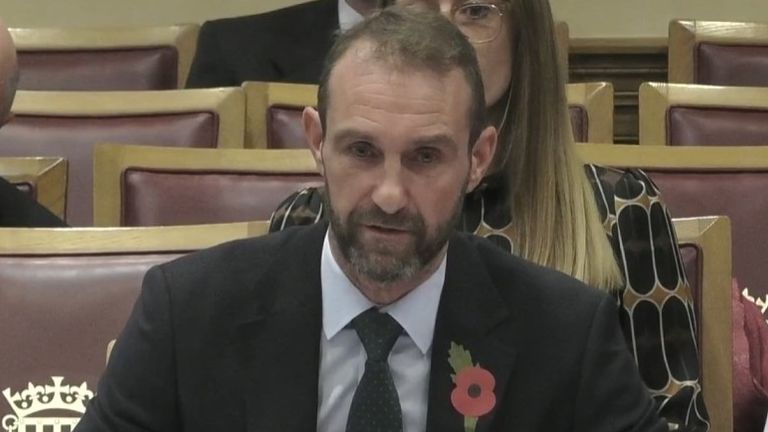
A statement by deputy national security adviser (DNSA) Matt Collins became the focus after the case’s collapse.
Prosecutors said his refusal to describe Beijing as a “threat” to national security meant the case could not continue.
Mr Collins, the central expert prosecution witness, told the investigation he had provided evidence of a “range of threats” posed by China, but did not describe it as a “generic” threat as that was not the then Tory government’s position.
The committee acknowledged the CPS’s assertion it would have undermined the case at trial if Mr Collins refused to describe China as an active threat, but suggested his statements taken together would have been sufficient.
“We regret that common sense interpretations of the wording provided in the DNSA’s witness statements were apparently not a sufficiently strong basis for meeting the evidential requirements the Crown Prosecution Service considered necessary under the Official Secrets Act 1911,” it said.
It accepted the “root cause” of the problems lay with the Official Secrets Act, which required the term “enemy” to be used of a foreign power, but warned the new National Security Act 2023 doesn’t eliminate “diplomatic sensitivities” around labelling people members of a foreign intelligence service.
Could a ‘super embassy’ pose a threat?
The committee recommends:
• The Cabinet Office and security services to work with the CPS to formalise principles for handling sensitive cases within the next six months
• Establishing a new rule for a formal case “conference” within 30 days of such charges to avoid a “lack of clarity” over evidence in future.
“We urge the government to avoid characterising the failure of the Cash/Berry case as a one-off peculiarity created solely by outdated legislation: there are structural parallels in the National Security Act 2023 which will require careful handling to avoid comparable issues recurring,” the committee said.
A CPS spokesperson said: “We recognise the strong interest in this case. We will review the recommendations carefully and work with partners to identify where improvements can be made.
“Our decisions are made independently and based on law and evidence, and that principle remains at the heart of our work.”
A government spokesperson said: “We welcome the committee’s report that makes clear that allegations about interference in this case were baseless and untrue.
“The decision to drop the case was taken independently by the Crown Prosecution Service. We remain disappointed that this case did not reach trial.
“Protecting national security is our first duty, and we will never waver from our efforts to keep the British people safe.”