Scandal-hit hospital admits patients caught up in dirty water cancer ward incident
 by 0
by 0 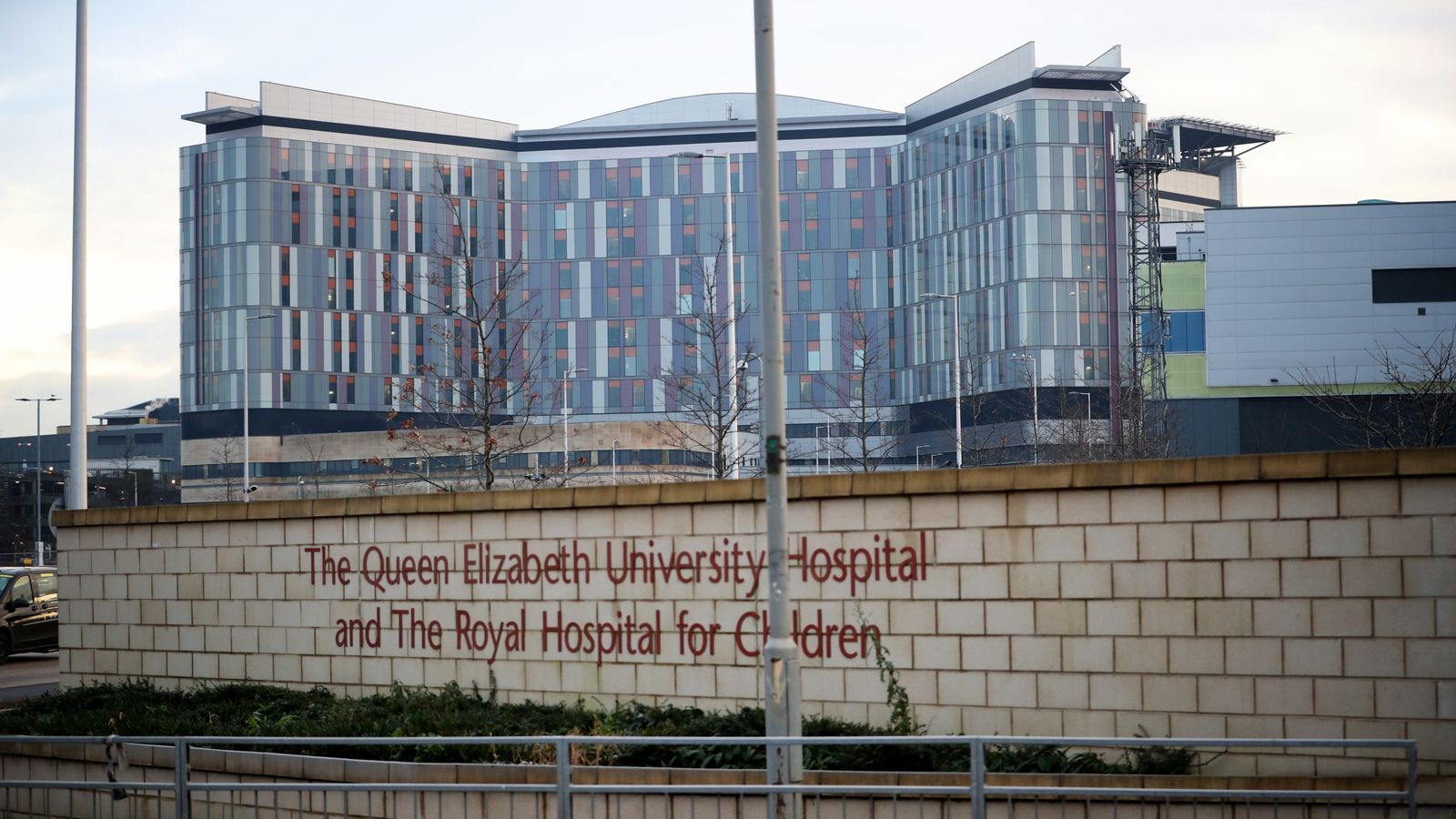
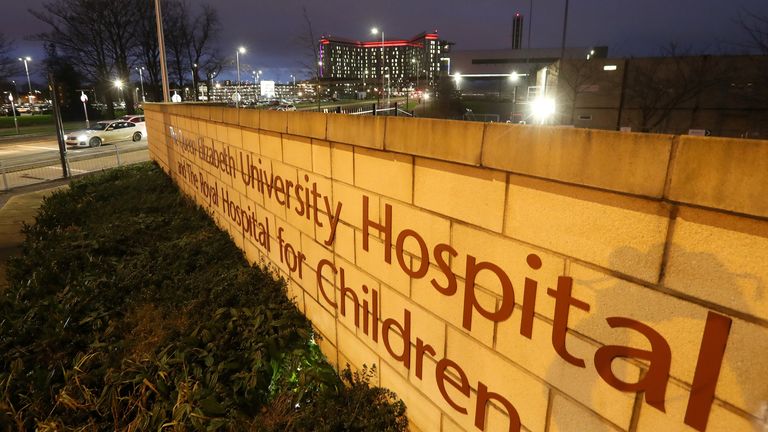
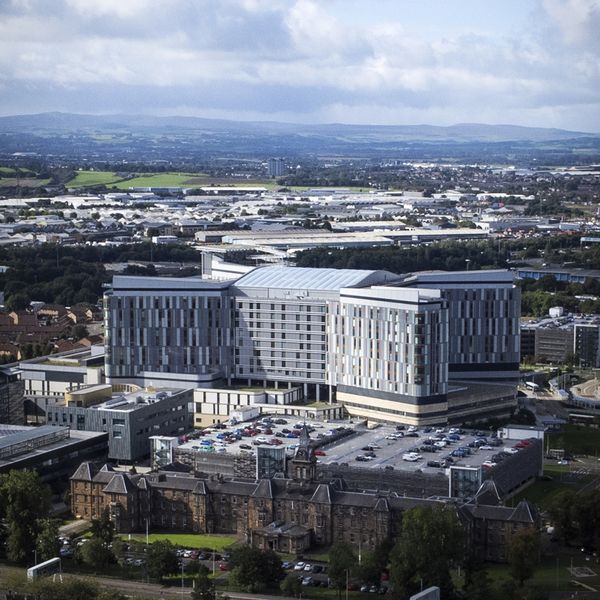
Patients were caught up in a mould and dirty water incident inside a cancer ward at one of Britain’s biggest hospitals, Sky News can reveal – days after our investigation uncovered fresh environmental risks.
NHS chiefs have admitted that some patients had to be clinically investigated following the incident at Glasgow’s £1bn Queen Elizabeth University Hospital.
However, officials are refusing to say how many patients were involved, what prompted the checks, or whether anyone became ill.
The hospital is already at the centre of long-running scandal over contaminated water and ventilation system issues, possibly being linked to a number of patient deaths in the past decade.
Earlier this week, Sky News revealed that mould and water ingress had been discovered inside ward 4B, the adult bone marrow transplant unit, with several rooms closed.
Bone marrow transplant patients are among the most vulnerable in the NHS.
Their immune systems are heavily suppressed, meaning even common airborne mould can cause life-threatening infections.
The incident, at one of Europe’s largest healthcare facilities, triggered a red alert from the Healthcare Infection Incident Assessment Team (HIIAT), which is the most serious infection control warning used in Scotland’s health service.
Sky News understands air scrubbers have been deployed in corridors and regular air sampling is now taking place in the ward – measures normally used during infection risk incidents.

NHS chiefs take days to respond to questions
We contacted NHS Greater Glasgow and Clyde for clarity on the crisis on Monday evening and the board responded on Friday evening.
It said it had carried out “clinical investigations into a small number of patients” linked to the situation.
A spokeswoman said: “We have undertaken clinical investigations into a small number of patients all of whom are now discharged and causing no concern.”
But the health board refused to say how many patients were investigated or whether any infections were suspected.
Ten detailed questions were put to the board by Sky News nearly a week ago, including whether patients had been exposed to mould or contaminated water. Almost all of them remain unanswered.
The Scottish government separately confirmed to Sky News that patients had been “identified in relation to this incident” and are now discharged.
‘It could kill them’
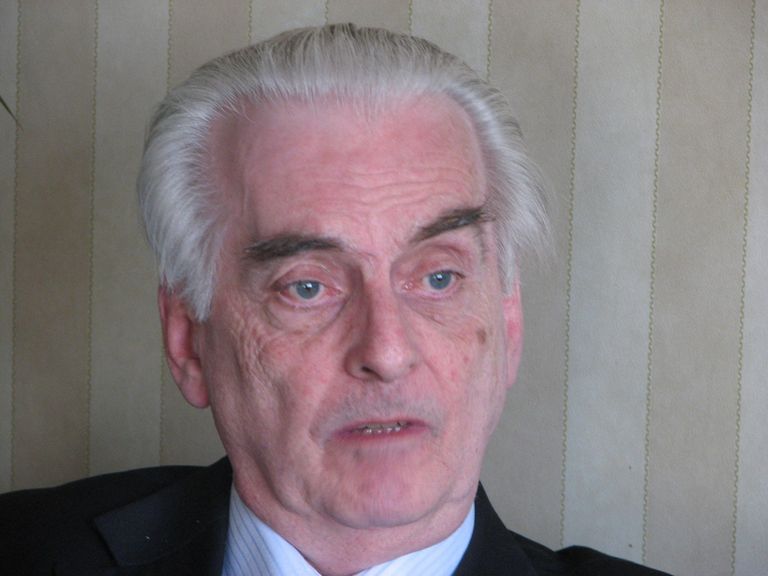
Leading bacteriologist Hugh Pennington previously told us the findings were deeply concerning.
He said: “It is shocking in the sense that water ingress, there shouldn’t be any.
“Mould could potentially infect any of the patients who are in there who are very defective or have zero immune systems, and it could kill them.”
Mr Pennington said on Monday: “That part of the hospital is not safe.”
The Queen Elizabeth University Hospital, which opened in 2015, is already the subject of a corporate homicide investigation into deaths potentially linked to its environment.
Read more:
Health secretary repeatedly asked if scandal-hit hospital is ‘safe’
Hundreds could sue over ‘butcher’ Dundee brain surgeon
Scotland’s First Minister John Swinney insists the hospital remains safe, despite ongoing concerns exposed by Sky News.
Scottish Labour leader, Anas Sarwar, said: “These latest revelations raise more serious questions about the safety issues at the hospital and the risks patients are being exposed to.
“It is a disgrace that after all these years we are still up against the same culture of secrecy and cover-up from the Health Board and the SNP government.
“Patient safety has to come first – we need total transparency about what is going on and urgent action to make sure every ward of the hospital is safe.”
If you have any information regarding the QEUH, you can email connor.gillies@sky.uk.