Ocado to cut 1,000 jobs under restructuring plan
 by 0
by 0 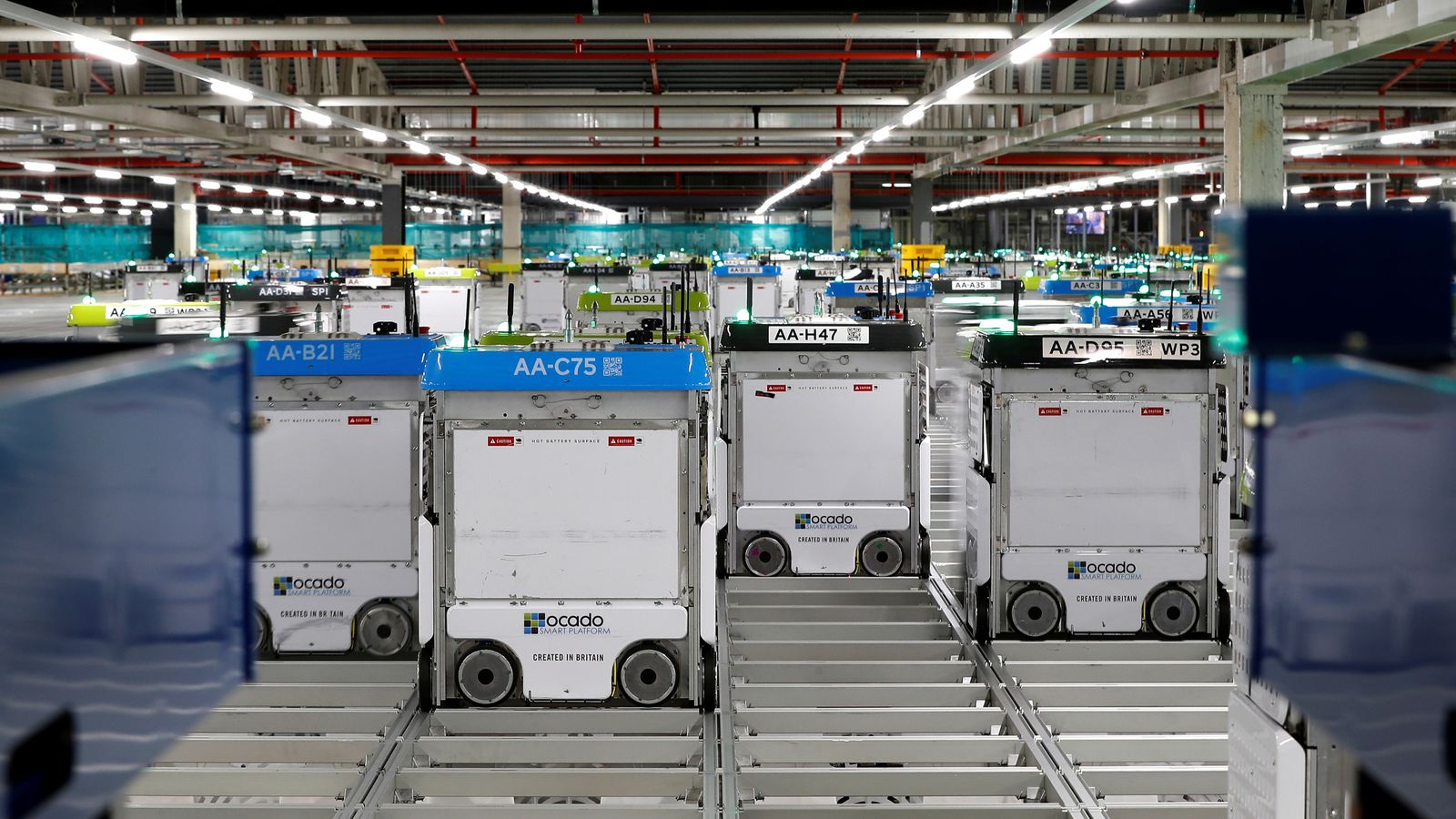
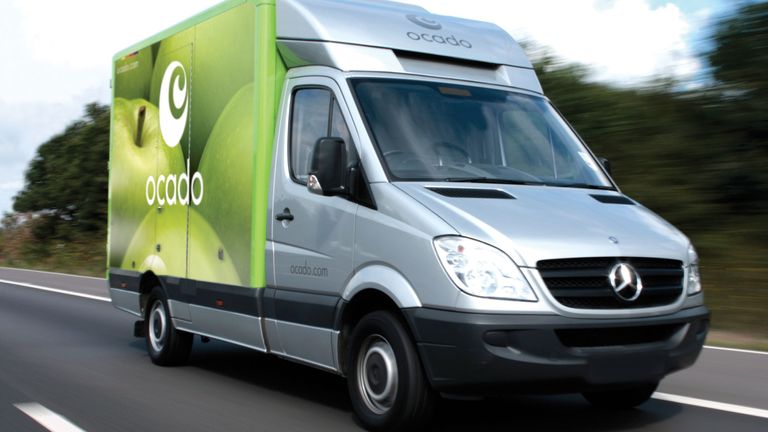
Ocado is to cut around 1,000 jobs as part of a plan to slash costs and restructure its operations.
The company, which provides automated technology for distribution centres and runs its own UK online grocery business through a joint venture with Marks & Spencer, said two thirds of the job losses would be in the UK.
The majority of those affected have roles at its headquarters in Hatfield.
Money latest: The kitchen towels offering the best value
No-one connected to the retail side of the business is under threat.
Ocado chief executive Tim Steiner said of the shake-up: “Regrettably, this means a significant number of roles will no longer be required.
“We are grateful to colleagues who are affected by these changes, and whose talent and hard work have made a lasting contribution to Ocado.
“We will support those impacted through this process,” he told investors.
The company, which has 20,000 staff globally, said it was targeting savings of £150m through its wider plans that would also see spending cut on research and development following years of major investment.
Its Ocado Solutions and Ocado Intelligent Automation divisions were to be merged, according to the statement.
Ocado made the announcements after revealing annual results which showed a 59% jump in its core underlying profit measure to £178m.
The improved group performance, which also extended to its bottom line, masks huge concerns among investors however over its business model.
Shares fell by almost 11% in early trading on Thursday, building on a 27% loss over the past year.
Much of that decline can be explained by both its North American partners deciding to close a total of four robotic customer fulfilment centres (CFCs) due to weak demand.
Many retailers have been choosing to complete online orders via stores instead, according to analysts.
Verushka Shetty, equity research analyst at Morningstar, said of its performance: “Ocado had a decent consensus beat in its half-year 2025 results but subsequent announcements from Kroger and Sobeys about site closures have weakened investor confidence.
“Nevertheless, we still see long-term growth drivers, including Ocado ramping up its deployment of capital-light solutions and intelligent automation, as well as the shift away from exclusivity deals in the majority of markets, which previously limited the company to one client per market.
“However, our main concern is a negative flywheel effect, where shutdowns and slower CFC rollouts deter potential partners from signing on or existing partners from adding more CFCs.”