Ukrainian Olympian banned from competing over helmet honouring war dead
 by 0
by 0 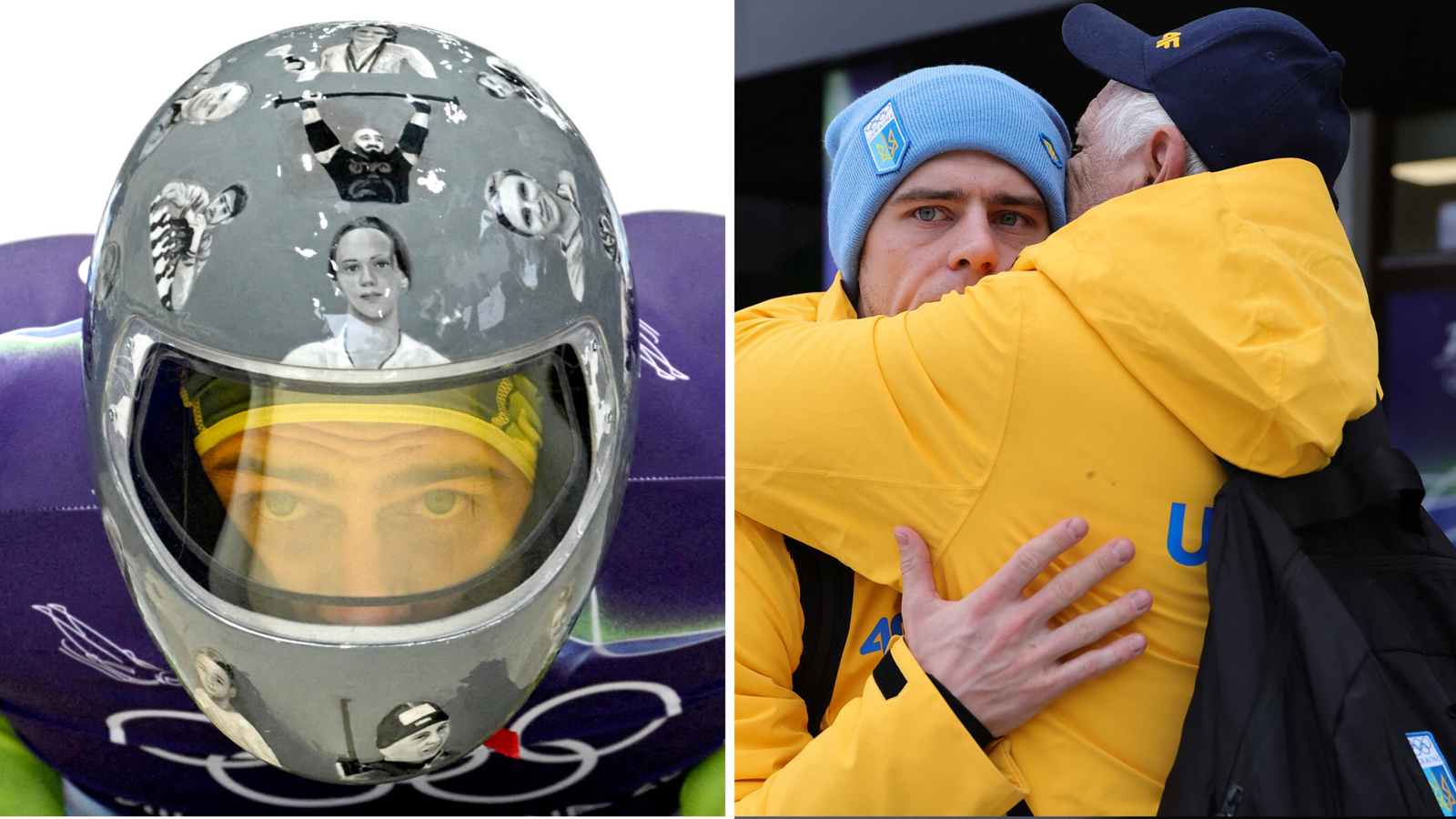
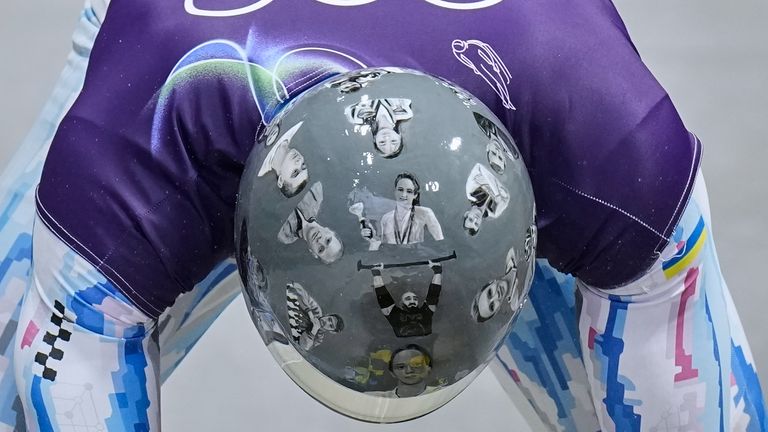
A Ukrainian skeleton racer has been banned from competing at the Winter Olympics after he insisted on wearing a helmet depicting athletes killed since Russia’s invasion.
Vladyslav Heraskevych, 27, told reporters he would appeal to the Court of Arbitration for Sport.
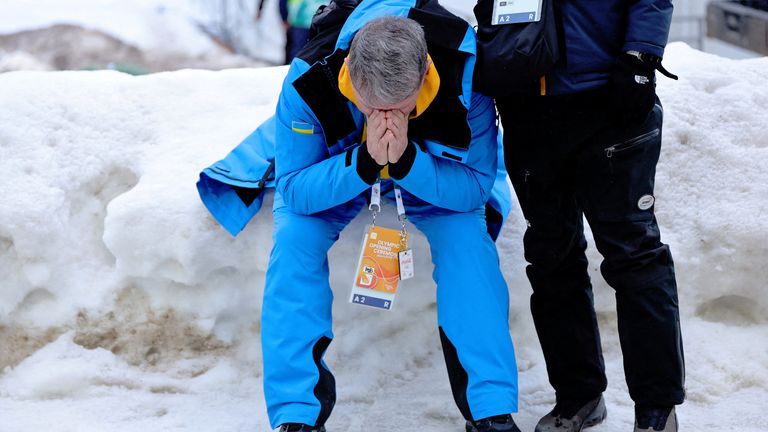
“It’s hard to say or put into words. It’s emptiness,” he said in response to the ban. “It really looks like discrimination because many athletes already were expressing themselves,” he added.
The International Olympic Committee (IOC) had pleaded with Heraskevych to adhere to guidelines and avoid potential disqualification from the Games and the men’s skeleton race on Thursday.
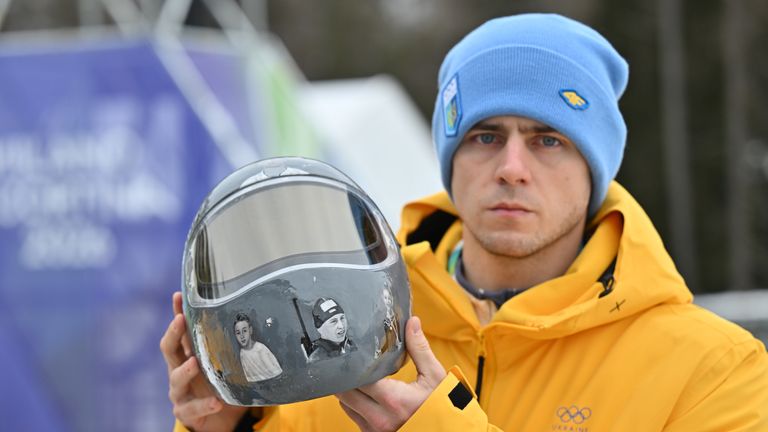
It argued his “helmet of remembrance”, depicting 24 images of dead compatriots, violated rules which prevent political statements while athletes are competing.
The IOC had suggested compromises, including wearing a black armband or showing the helmet before and after racing.
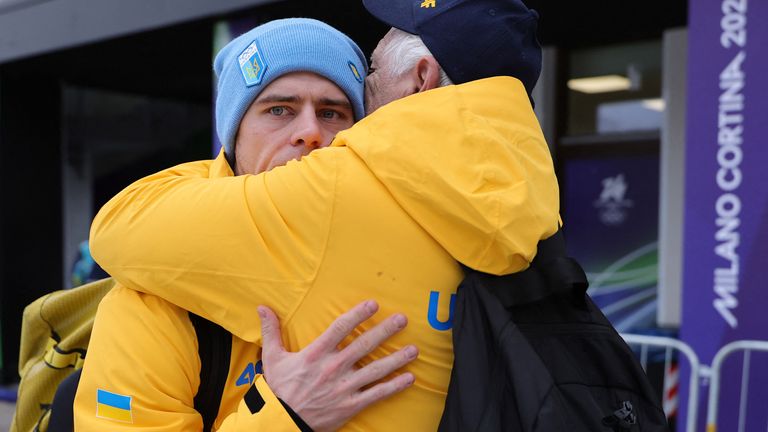
But the athlete, whose performance had put him within reach of a medal in Italy, remained defiant after a meeting between the two sides on Wednesday failed to secure an agreement.
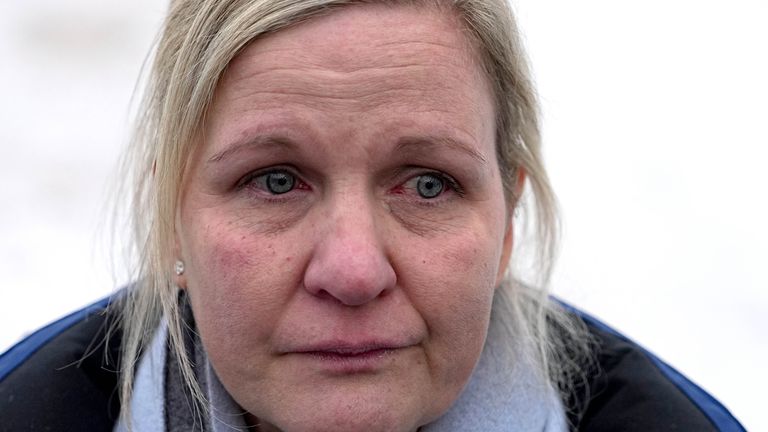
President Kirsty Coventry was choked up with tears after being unable to change Heraskevych’s mind on Thursday morning before the race. She said she did not disagree with his “powerful message”.
“I really wanted to see him race. It’s been an emotional morning,” Coventry said.
“It’s literally about the rules and the regulations and that in this case… we have to be able to keep a safe environment for everyone and sadly, that just means no messaging is allowed.”
Separately, the IOC said in a statement on Thursday that it was “very keen for Mr Heraskevych to compete”.
“This is why the IOC sat down with him to look for the most respectful way to address his desire to remember his fellow athletes who have lost their lives following Russia’s invasion of Ukraine.”
Ukraine’s Olympic Committee had backed their athlete, who is also the team’s flagbearer for the Games and also displayed a “No War in Ukraine” sign at the Beijing 2022 Olympics, days before Russia’s invasion.
Heraskevych said even if he wanted to change the helmet, he would not have time to prepare one that would fit him.
Heraskevych: ‘I’m not violating rules’
The athlete said he believes there are inconsistencies in how the IOC decides what statements are allowed.
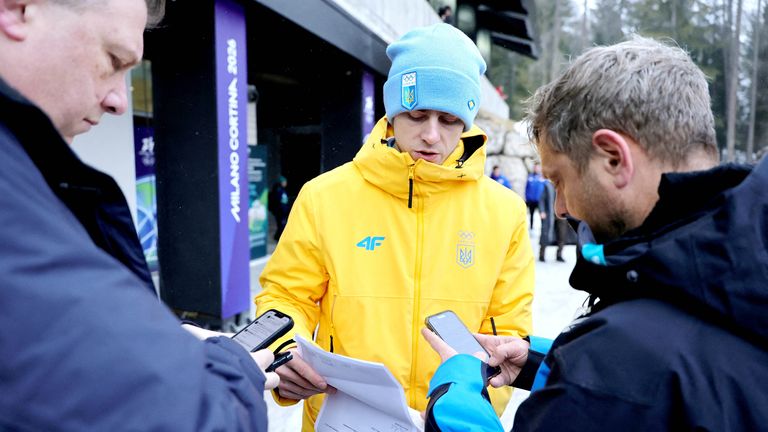
“I believe, deeply, the IBSF [International Bobsleigh and Skeleton Federation] and IOC understand that I’m not violating any rules,” Heraskevych said on Thursday.
He explained that US figure skater Maxim Naumov brought a photo of his late parents, who were killed in a plane crash, to a corner of the rink on Tuesday.
And Israeli skeleton athlete Jared Firestone wore a skullcap at the opening ceremony with names of Israeli athletes and coaches killed in the 1972 Munich attack.
But both those messages were seen outside competition, or what the IOC calls the ‘field of play’.
Read more from Sky News:
Lindsey Vonn suffers leg fracture
Sturla Holm’s ex reacts to cheating
Ukraine rallies Europe over FIFA ban
“For us, and the athletes, the field of play is sacrosanct. These people have dedicated their whole lives for this moment,” IOC spokesperson Mark Adams said at a news conference on Wednesday.
Latvian coach Ivo Steinbergs told Reuters he had filed a protest with the International Bobsleigh and Skeleton Federation to reinstate the athlete.
Politics barred from Olympics
It is not the first time the IOC has sanctioned an athlete for a political message.
At the 1968 Summer Olympics US sprinters Tommie Smith and John Carlos were expelled from the Games after protesting about racial injustice.
And in Paris in 2024, Afghan breakdancer Manizha Talash was disqualified after wearing a cape with the slogan “Free Afghan Women”.