Inside the new breed of ‘zero bills’ homes where you pay nothing for your energy
 by 0
by 0 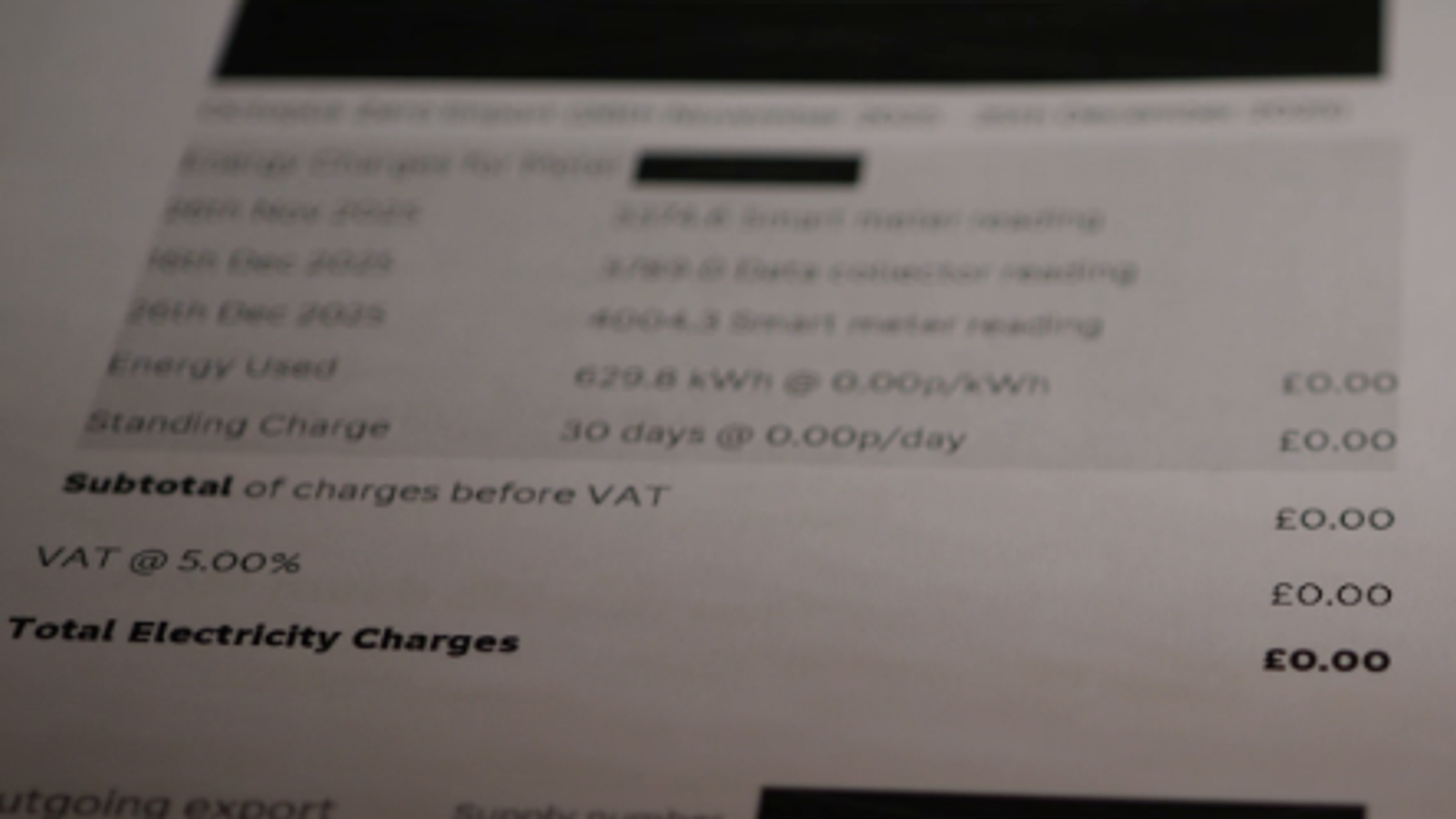

Elliott Wood has something you’re probably going to want.
Like most of us, every month he gets a bill for his monthly energy use.
Only his bill… is free.
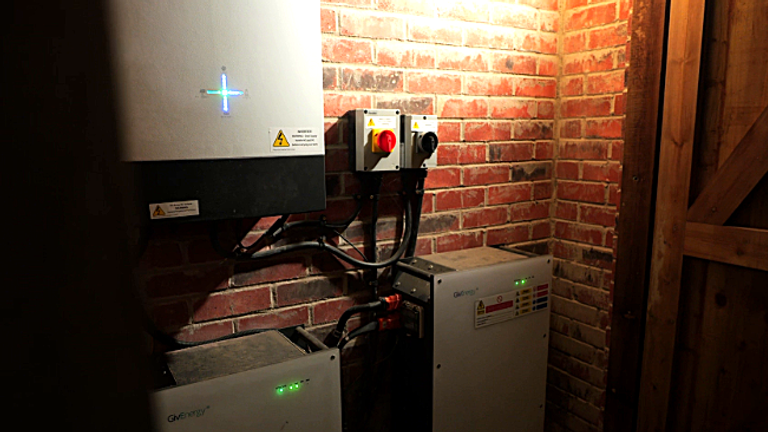
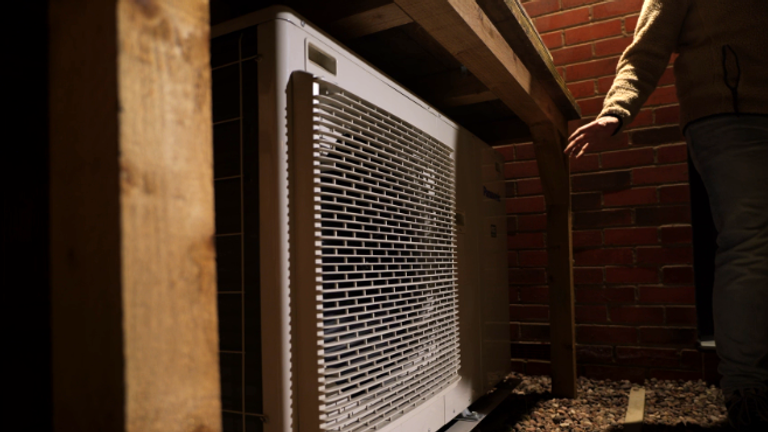
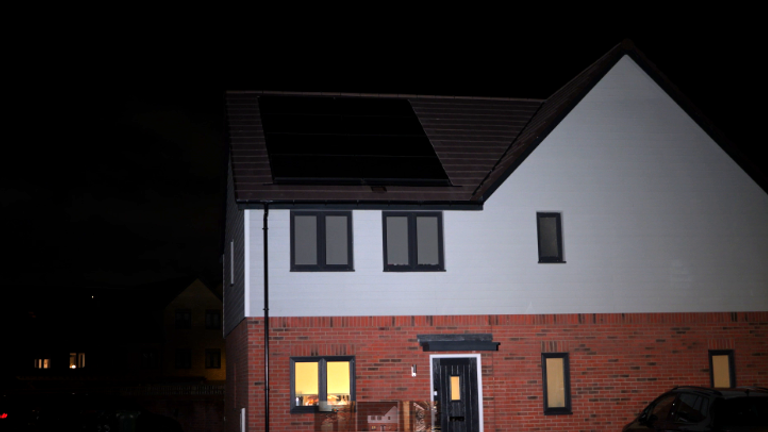
He’s living in a new breed of “zero bills” homes, which comes with solar panels, heat pumps and batteries.
Together, that technology generates more electricity than Elliot uses.
When combined with the right tariff – in his case a zero bills tariff with Octopus Energy – the excess electricity is sold back to the grid, and his bill comes in at a princely sum of £0 a month.
“It’s amazing… you just don’t have to worry,” says 26-year-old Elliott, who lives in a one-bedroom rental house with his partner in Milton Keynes.
“There is no stress at the end of each month, [wondering] ‘have we had too many showers, has the heating been on too much, have we used the microwave too many times?'”
The zero bills scheme does come with a few caveats: the tariff is only guaranteed for five to 10 years, and it doesn’t include electric vehicle charging.
But Octopus estimates it will save an average household of two to three beds approximately £1,758 a year on bills, based on current Ofgem price cap rates.
Now for the bad news…
But only a few hundred of these homes are up and running, meaning for most of us, the zero bill home remains a pipe dream.
In fact Britain has some of the most leaky, drafty and gas reliant homes in Western Europe – and that’s a major vulnerability.
Approximately 85% of homes rely on gas for heating, more than half of which we import, only for some of that hard work to go to waste as the heat drifts out through uninsulated Victorian brickwork.
That means cold, damp homes that are expensive to run, leaving a staggering 2.7m UK households living in fuel poverty.
Housing and buildings are also the second biggest polluting sector in the UK, after transport, something that must fall if the country is to hit its climate targets.
Quest to upgrade Britain’s homes
The government aims to tackle all these problems in one fell swoop.
Its long-awaited Warm Homes plan published on Wednesday is designed to upgrade homes to make them cheaper, better and warmer.
The £14.7bn strategy will pay for measures like insulation, solar panels, batteries, and heat pumps that can lower bills and cut gas use.
These won’t see bills falls to zero, like Elliott’s, but ministers say it could slash some bills by several hundred pounds.
Ministers says the plan will upgrade five million homes and lift “up to” one million families out of fuel poverty by 2030.
If done well, upgrading homes is an effective way to slash bills and reduce damp, and campaigners and industry have broadly welcomed the idea.
But previous attempts to upgrade homes have tried and failed. It’s not clear how officials can enforce landlords to upgrade properties, or who to trust to insulate homes, or whether electricity costs will come down enough to truly reap the benefits of a heat pump.
Energy UK’s CEO Dhara Vyas said: “Supporting better access to clean heat systems, solar panels, batteries, and insulation will help millions of households across the UK bring down their energy bills.
But she said to “ensure the plan realises its full potential, it will be important to tackle the factors that currently make electricity artificially expensive.”
The key to the cost of living crisis?
As more people get off gas heating and on to electric heat pumps, it should also reduce the UK’s imports of gas.
The government sees a geopolitical value in weaning the country off gas it has to buy from abroad, as opposed to clean power it can harness at home – albeit using Chinese components.
First it wanted to reduce reliance on Russia, but now even buying gas from the US has taken on a new risk with a less predictable president in the White House. No one in government would say that out loud, yet, but who knows what levers Donald Trump might pull on Europe to get his way on Greenland.
And while reducing energy imports is good for security, there’s a risk that with fewer people paying gas bills, those left will shoulder higher costs to keep the system running.
Read more from Sky News:
Trump’s ominous Greenland message
Starmer’s biggest crisis could be closer to home
On top of that, the Warm Homes plan is still just a plan – and previous attempts to deliver have failed.
But the government has staked its reputation on easing the cost of living and slashing household bills.
Prime Minister Sir Keir Starmer said: “This is a government bearing down on the cost-of-living crisis… giving people the security and the fair shot they need to get on in life.”
That claim will be judged largely on whether this new plan to upgrade homes sinks or swims.