‘He was bleeding for 40 minutes, gasping for life’: The dying moments of an aspiring Iranian rapper
 by 0
by 0 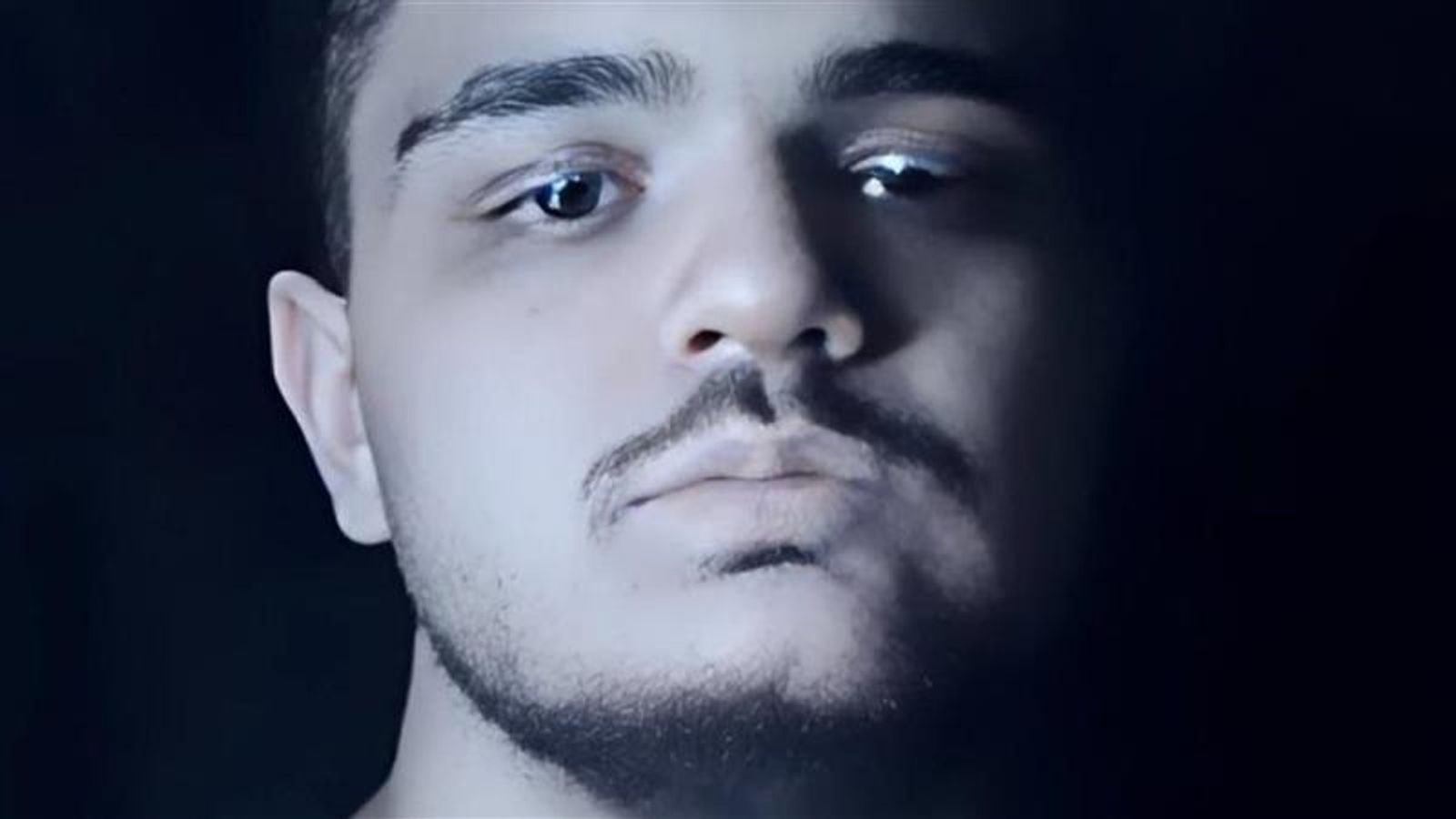 by 0
by 0 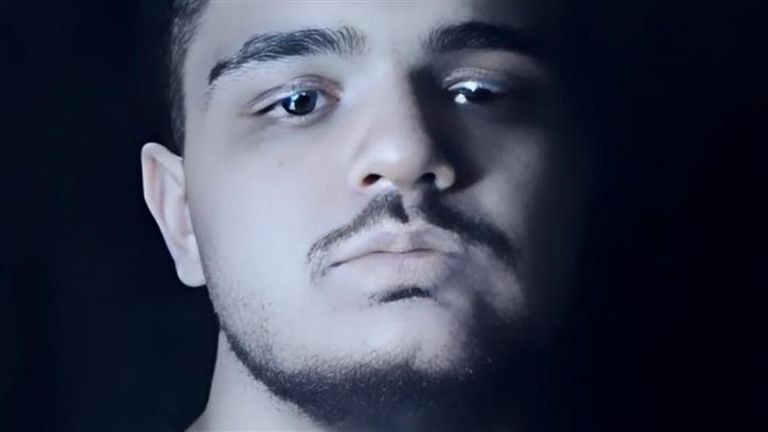
“The beat is pounding as he delivers a verse, in a home-made studio built in the closet. I’m not here on a trial run – I’m going to reach the peak – streets, nights, beats, they’re my oxygen.”
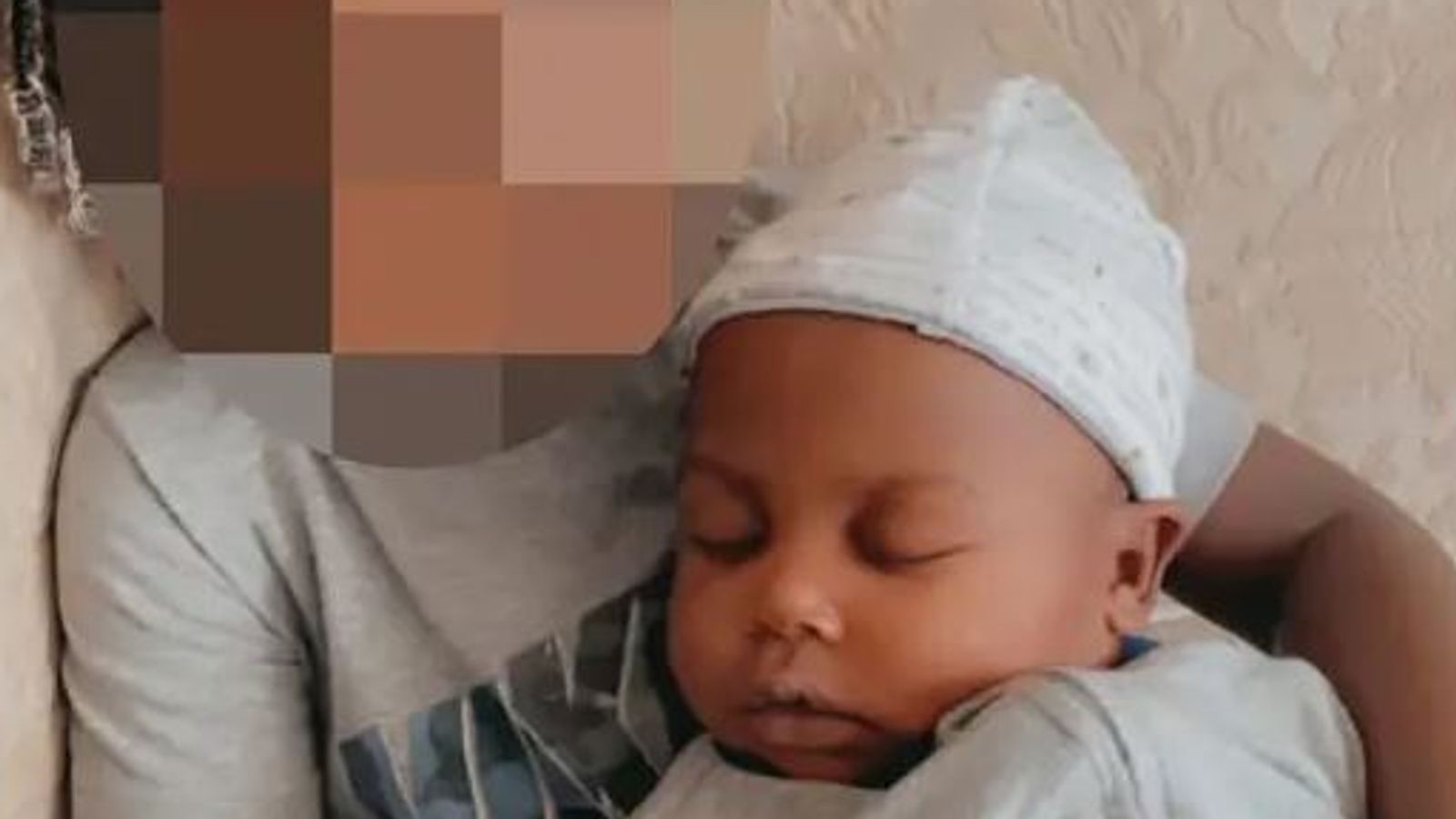
The person at the microphone is a 17-year-old boy, with a dream of something big.
His name is Abolfazl Yaghmouri.
A kid from a working-class neighbourhood on the outskirts of Tehran, he rapped as he reflected on the pain in his life: “The problems don’t stop. I was there for everyone, but no one showed up for me.”
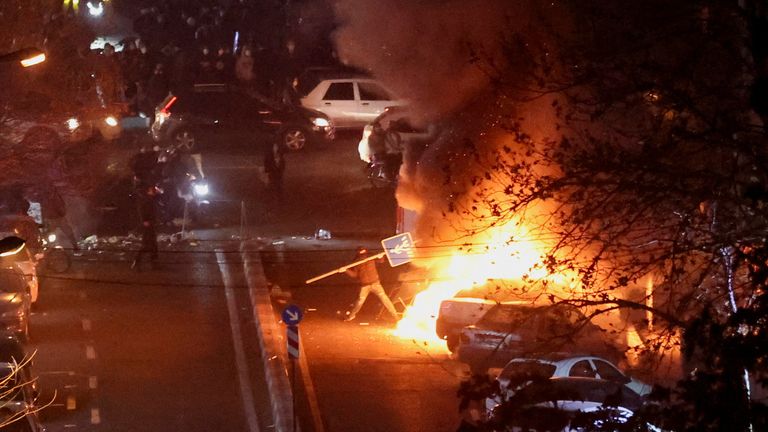
When the popular protests swept through the streets of his suburb, he added his voice to those calling for change. But the decision proved fatal.
We spoke to his aunt, Gita Yaghmouri, who lives in Toronto.
“He fell on the ground, and he was bleeding for 40 minutes,” she said. “They didn’t allow the crowd to come and help him… I still can’t believe it, they’ve killed a 17-year-old kid.”
The boy’s family didn’t want him to attend the protests on the evening of 8 January.
The regime had cut off the internet and state officials warned that “no leniency” would be shown to demonstrators.
Gita said the family began to look for the musician in the early hours of the following day.
“They tried to call him,” she recalled. “They tried to go to a police station, detention centres. They tried going to hospitals, any clinic around, but they weren’t able to find him.”
‘He was gasping for life’
The moment of discovery came when the boy’s brother approached a vehicle that belonged to the local morgue. The crew were picking up bodies in the street.
One of three corpses in the truck was Abolfazl.
“He opened the body bag, and it was the face of his brother. He was shot in his heart with war bullets,” Gita said.
Neighbours told the family they had watched the boy die.
“The (security forces) were trying to hit him with anything that they had in their hands, with their boots, with the butt of their guns, with everything, while he was bleeding for 40 minutes, and he was gasping for life. And then, then he passed away,” said Gita, fighting back tears.
Read more from Sky News:
What happened to victims of Iran crackdown
His body was transported to a mortuary in a place called Kahrizak, a facility that has become as a mass processing centre for victims of these protests.
In new images uploaded to the internet, we see bodies covering the floor area of a cavernous-looking warehouse as family members search for loved ones amongst the rows of corpses.
The grief on display is compounded by officials of the regime, who are accused of not releasing the bodies unless certain conditions are met.
“The (officials) told (Abolfazl’s parents) that ‘we cannot release the body to you. You have to agree that this kid was part of our army. He was part of (the Islamic Revolutionary Guards Corps). Otherwise, we are not going to give the body to you’,” Gita said.
‘Bullet tax’
In other words, the boy’s parents were told to sign a document saying their son was serving in the regime’s forces when he was killed by so-called “terrorist protesters”.
“They didn’t agree to sign that, so (the authorities) asked for money, and then they released the kid,” said Gita.
“Is this the so-called bullet tax or bullet money?” I asked, referring to allegations that the regime was demanding compensation for the ammunition used when protesters were shot.
“This is what they are talking about, yes,” she replied.
A bright and musical 17-year-old, Abolfazl has left a musical legacy online, although the boy has been denied the opportunity to flourish and grow.
His aunt, who has lived in Canada for nine years, is left with a sense of powerlessness.
“I have everything, but I am not enjoying it. Because my people don’t have it. It is very hard.”