Private sector wage rises drop to a five year low
 by 0
by 0 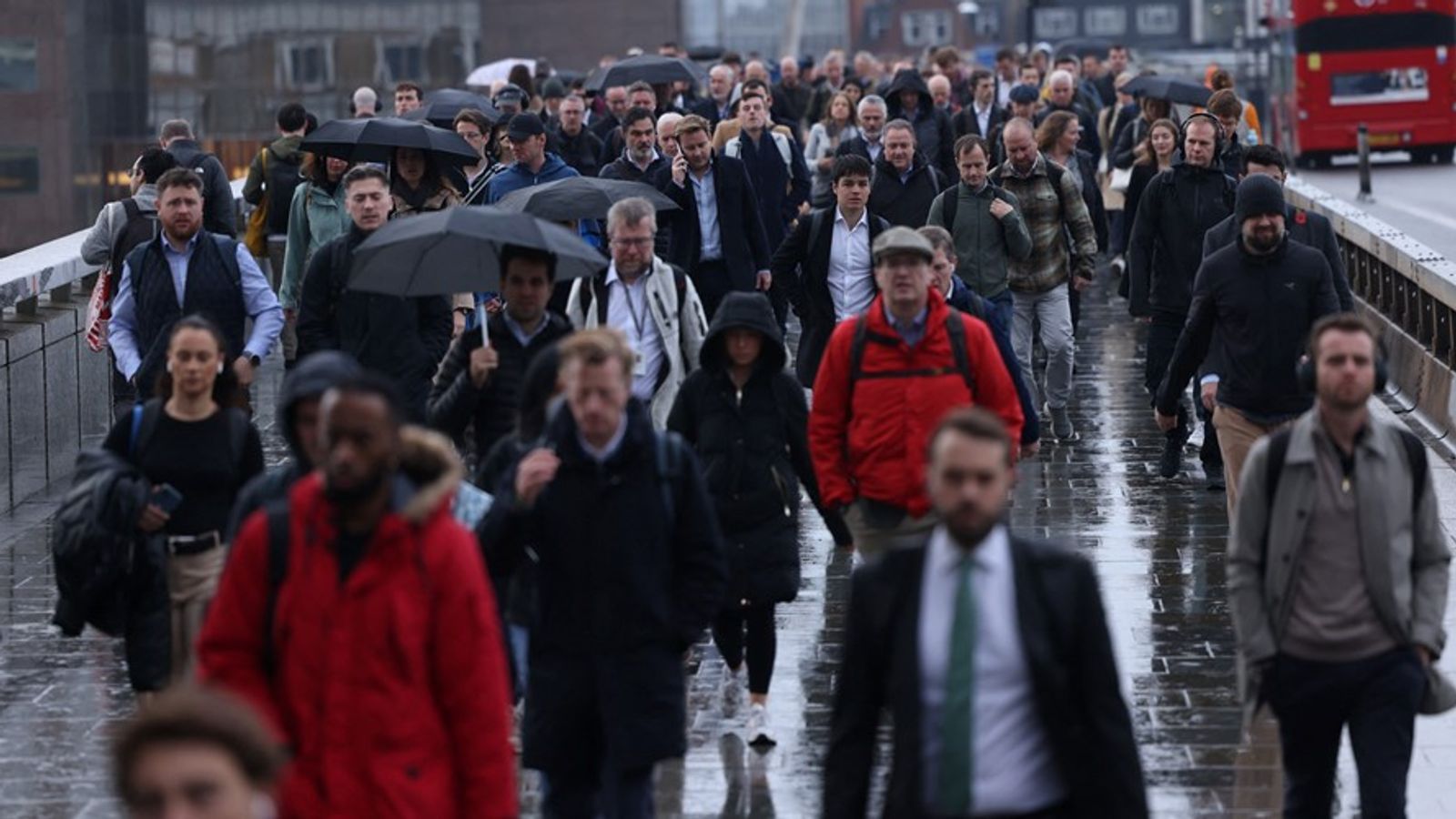
Private sector wage growth has dropped to the lowest rate in five years, new official figures show.
But in the public sector wages are still “elevated” according to the Office for National Statistics (ONS) due to the continued impact of earlier pay deals.
Public sector workers saw their annual earnings increase by 7.9%, while private sector staff saw an average 3.6% pay increase.
The figures mean people are still getting pay rises, but they are smaller than they had been.
New unemployment figures were also released on Tuesday. They show the jobless rate remained at 5.1% in the three months to November – a period dominated by talk of a tough budget ahead – the data from the ONS revealed.
The rate had stood at 4.1% when Labour took office in 2024.
Falls to come
It is, however, expected to rise further in the coming months as higher employment costs dampen demand for new staff. Accounting firm, KPMG, expects unemployment to hit 5.3% by the end of the year, while investment bank Goldman Sachs thinks it could be 5.3% by March.
Employers have already cut back on hiring. HMRC payroll figures from December show 184,000 fewer people employed compared to the same month in 2024.
The increase in employers’ national insurance contributions and “skyrocketing” staffing costs, combined with concerns over the Employment Rights Act, hampered hiring and limited pay awards, according to the Institute of Chartered Accountants in England and Wales (ICAEW).
It warns that “this slowdown in wage growth should gather pace in the coming months as elevated employment costs increasingly restrain pay settlements”, and lead to “weaker consumer spending”.
What does it mean for interest rates?
The weakening jobs market is unlikely to prompt the Bank of England’s interest rate setters to make borrowing cheaper when they meet next month.
Tuesday’s figures could be enough for them to delay an interest rate until April, according to economic research firm Pantheon Macroeconomics.