‘Help is on its way,’ Trump tells Iranian protesters – as demonstrator faces ‘imminent’ execution
 by 0
by 0 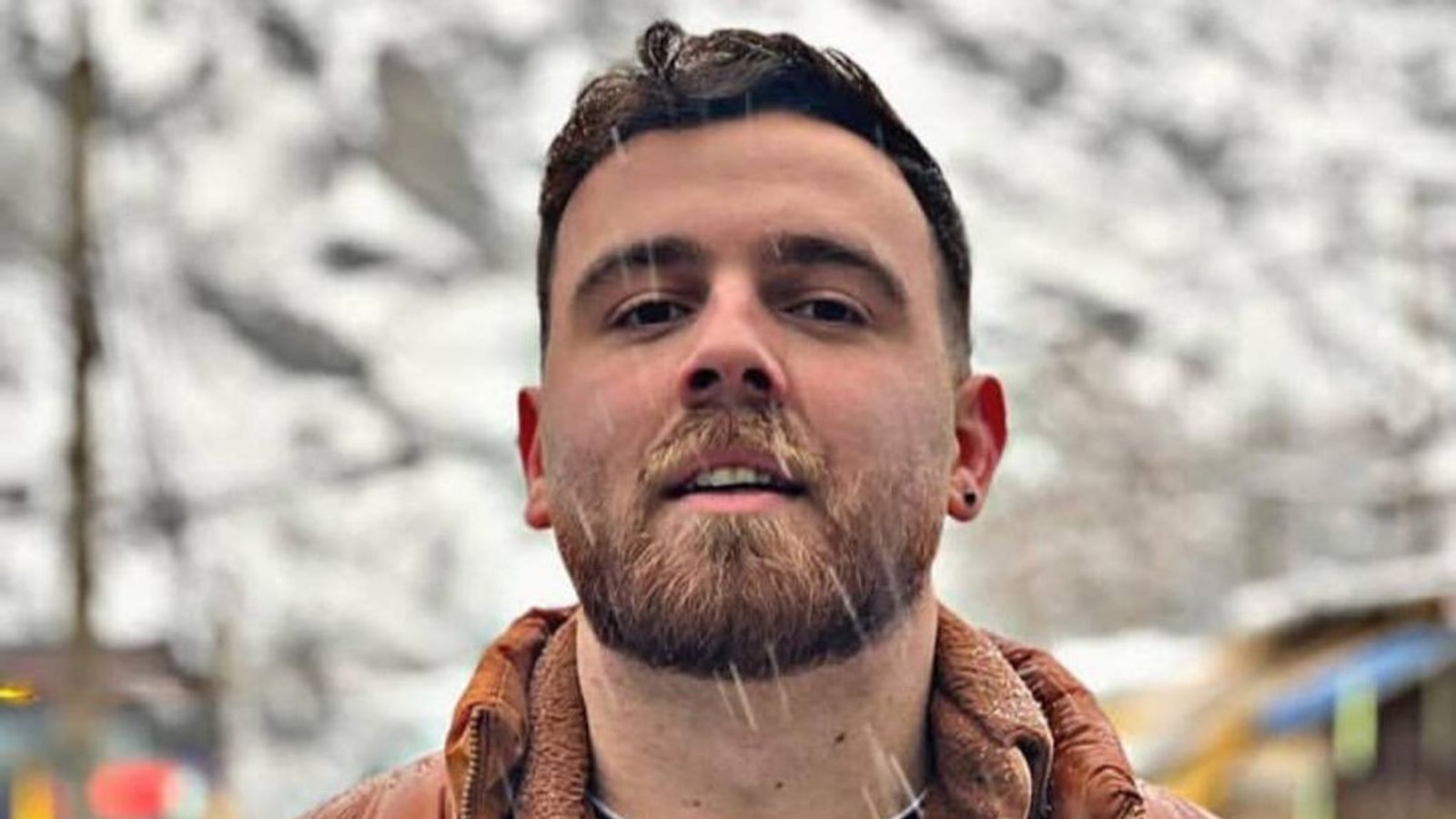 by 0
by 0 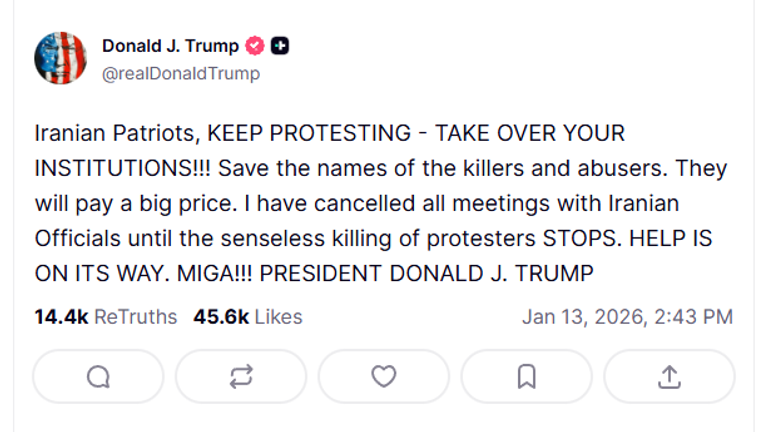
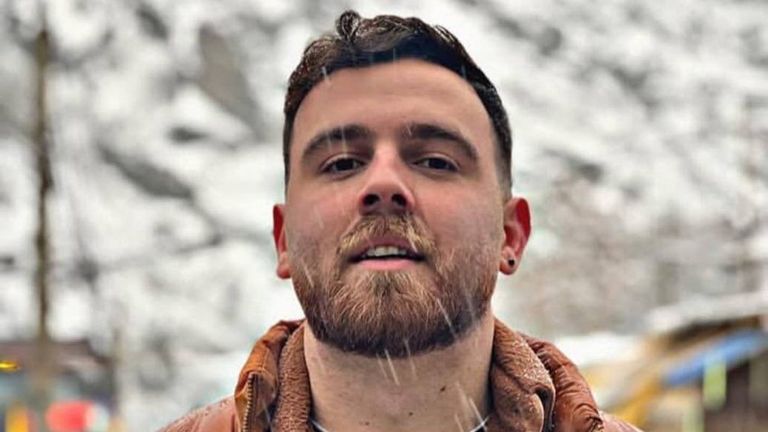
A 26-year-old Iranian protester is set to be executed today for participating in anti-regime protests that have swept the country in recent weeks, as the world awaits possible intervention by the US.
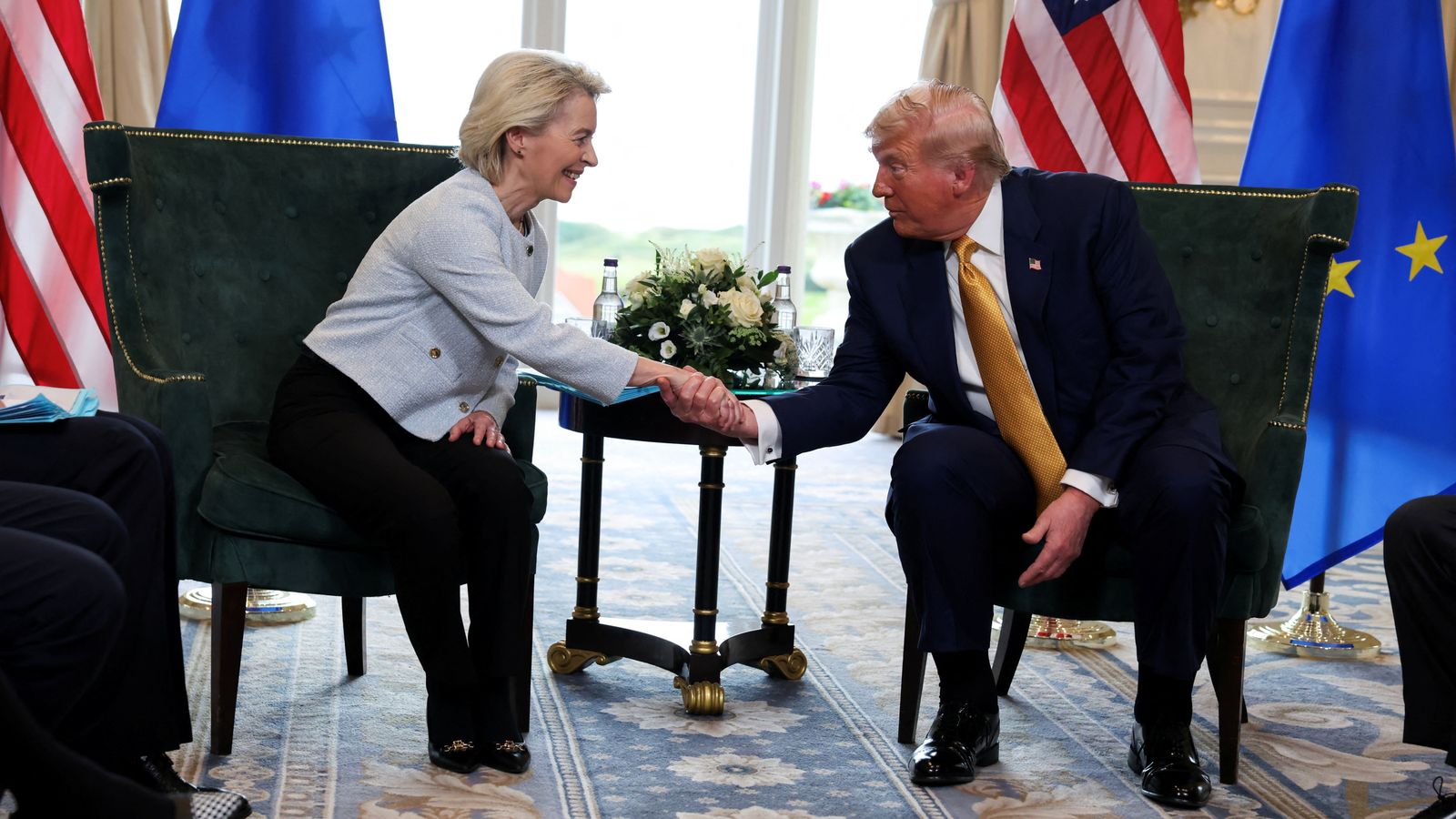
Donald Trump has called on demonstrators to “keep protesting” and promised “help is on its way”, without offering any detail whatsoever about what that could entail.
In a post on his Truth Social platform, the president warned the “killers and abusers” will “pay a big price”.
Latest updates on Iran protests
An Iranian official has told Reuters at least 2,000 people have been killed in the protests so far.
According to Norway-based rights group Hengaw, Erfan Soltani, from the city of Fardis to the west of Tehran, will be executed later on Wednesday – adding to the death toll.
Hengaw said Mr Soltani had been arrested in connection with protests in the city of Karaj.
The Kurdish group, which documents human rights abuse in Iran, said his family had been informed about the death sentence, although they had been “deliberately kept uninformed” about the judicial process.
“The rushed and non-transparent handling of this case has heightened concerns over the use of the death penalty as a tool to suppress public protests,” a statement added.
In an interview with CBS News, Mr Trump has said he’ll take “very strong action” if Iran’s regime hangs protesters.
The US has urged its citizens to “leave Iran now”, ideally by land through Turkey or Armenia, and JD Vance hosted a National Security Council meeting about the situation on Tuesday night.
It comes after Mr Trump’s Middle East negotiator Steve Witkoff reportedly held a secret meeting with exiled Iranian former crown prince Reza Pahlavi over the weekend.
The son of Iran’s last shah has sought to position himself as an opposition figure since the protests began.
How did we get here?
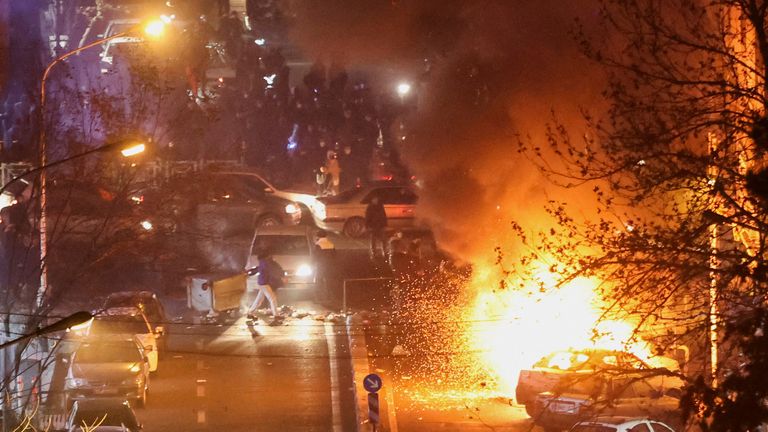
Demonstrations began in Tehran, the capital, on 28 December, when shopkeepers went on strike over the collapse of the Iranian currency to an all-time low.
Authorities blocked internet and telephone connections on 9 January as the protests intensified.
The death toll from the unrest climbed to 2,003 people on Tuesday, according to US-based rights group HRANA.
The figure included 1,850 protesters, 135 government-affiliated individuals, nine people aged under 18 and nine non-protester civilians, the group said.
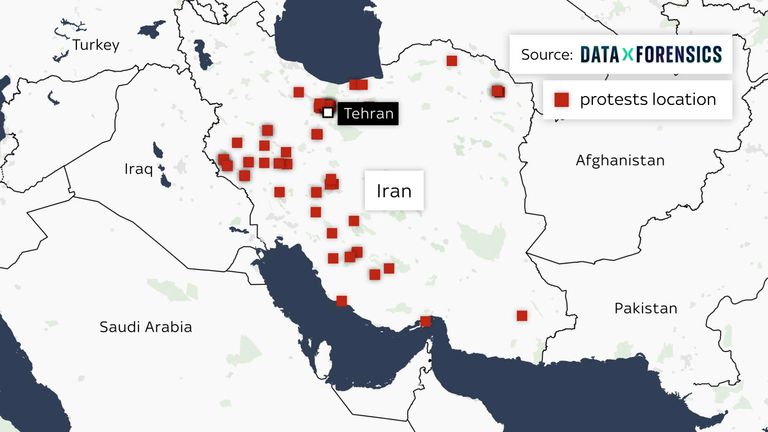
Phone connection was briefly restored on Tuesday, allowing witnesses to the protests to share reports with news outlets of a heavy security presence in central Tehran, burned-out government buildings and smashed ATMs.
Anti-riot police officers, wearing helmets and body armour, carried batons, shields, shotguns and tear-gas launchers, witnesses reported.
Iran’s ambassador to the UK was summoned to the Foreign Office in London on Tuesday afternoon amid concerns about the Iranian government’s crackdown on protesters.
Several European countries held similar meetings, including Finland’s foreign minister, who warned Tehran had shut the internet off “to kill and oppress in silence”.
Read more:
Iran protest deaths: A sculptor, a footballer and a hairdresser
Verifying protests and deaths in Iran
Family’s shock over teen’s death in Iran
The demonstrations pose potentially the largest threat to Iran’s regime since the 1979 Islamic Revolution – when former supreme leader Ayatollah Ruhollah Khomeini installed a Shia theocracy.
Iran’s Supreme Leader Ayatollah Ali Khamenei criticised the US and praised the Iranians who took part in pro-government demonstrations on state TV on Monday.
“This was a warning to American politicians to stop their deceit and not rely on traitorous mercenaries,” he said.
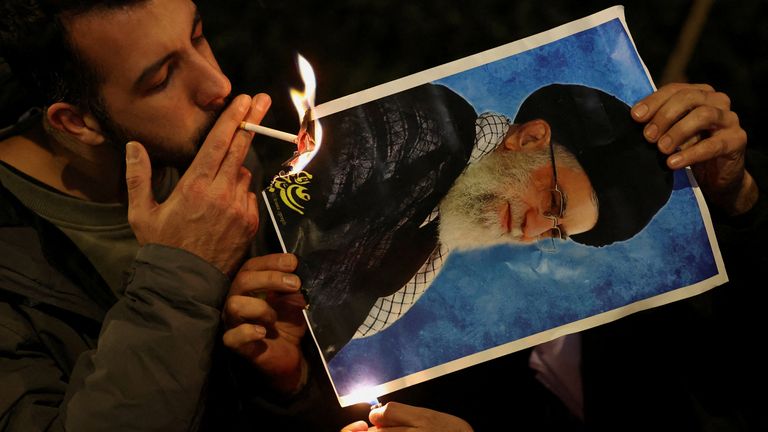
Iran’s economy has struggled in recent years due to rising inflation and pressure from US sanctions imposed under the first Trump administration in 2018. The UN reimposed sanctions in September.
Mr Trump announced on Monday that any countries doing business with Iran will face 25% tariffs from the US.
The country suffered further blows during the 12-day war, which saw America and Israel strike the country’s nuclear facilities in June.