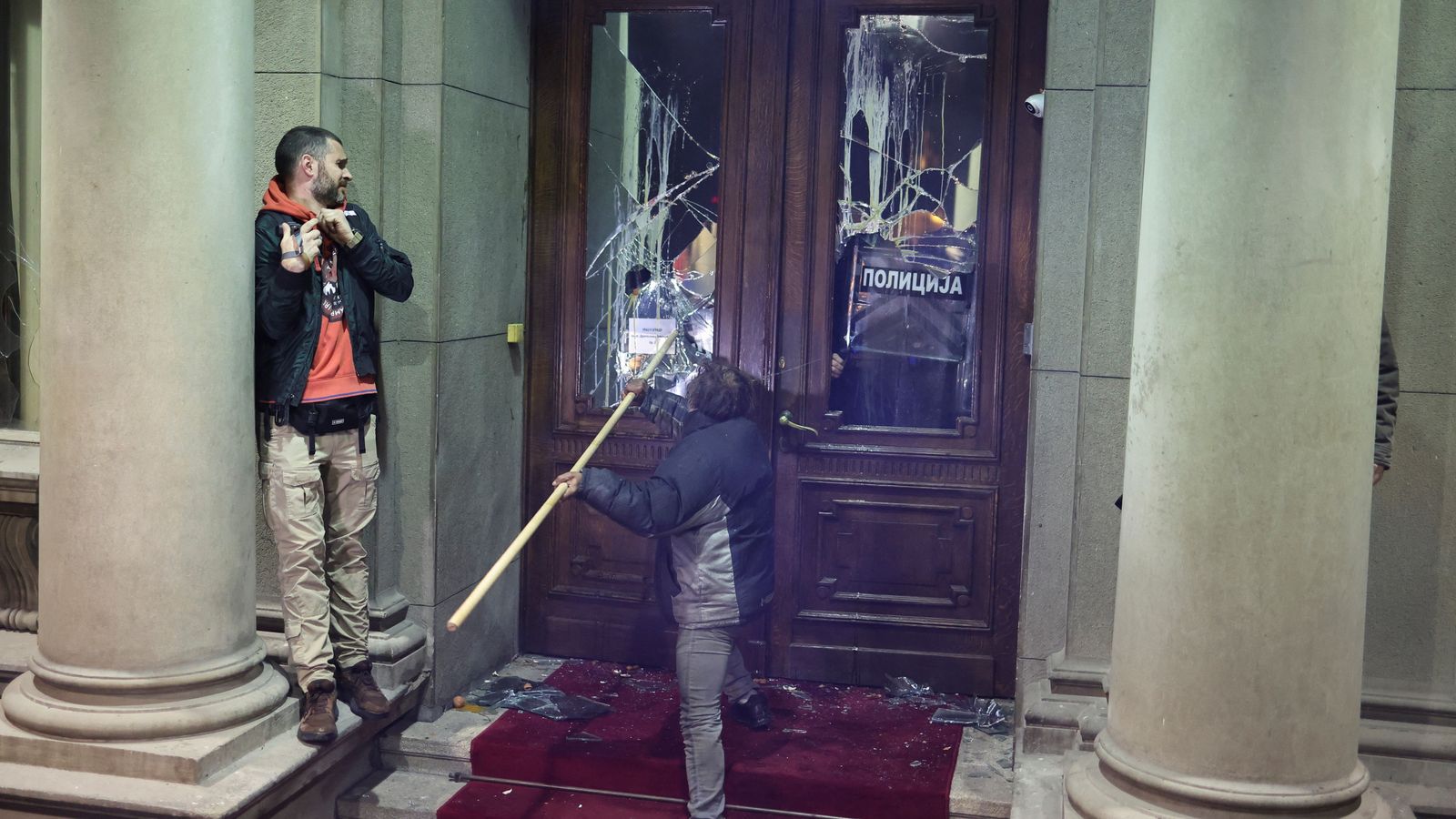
Death penalty threat as Iran’s supreme leader says protesters ‘ruining’ country to please Trump
 by 0
by 0 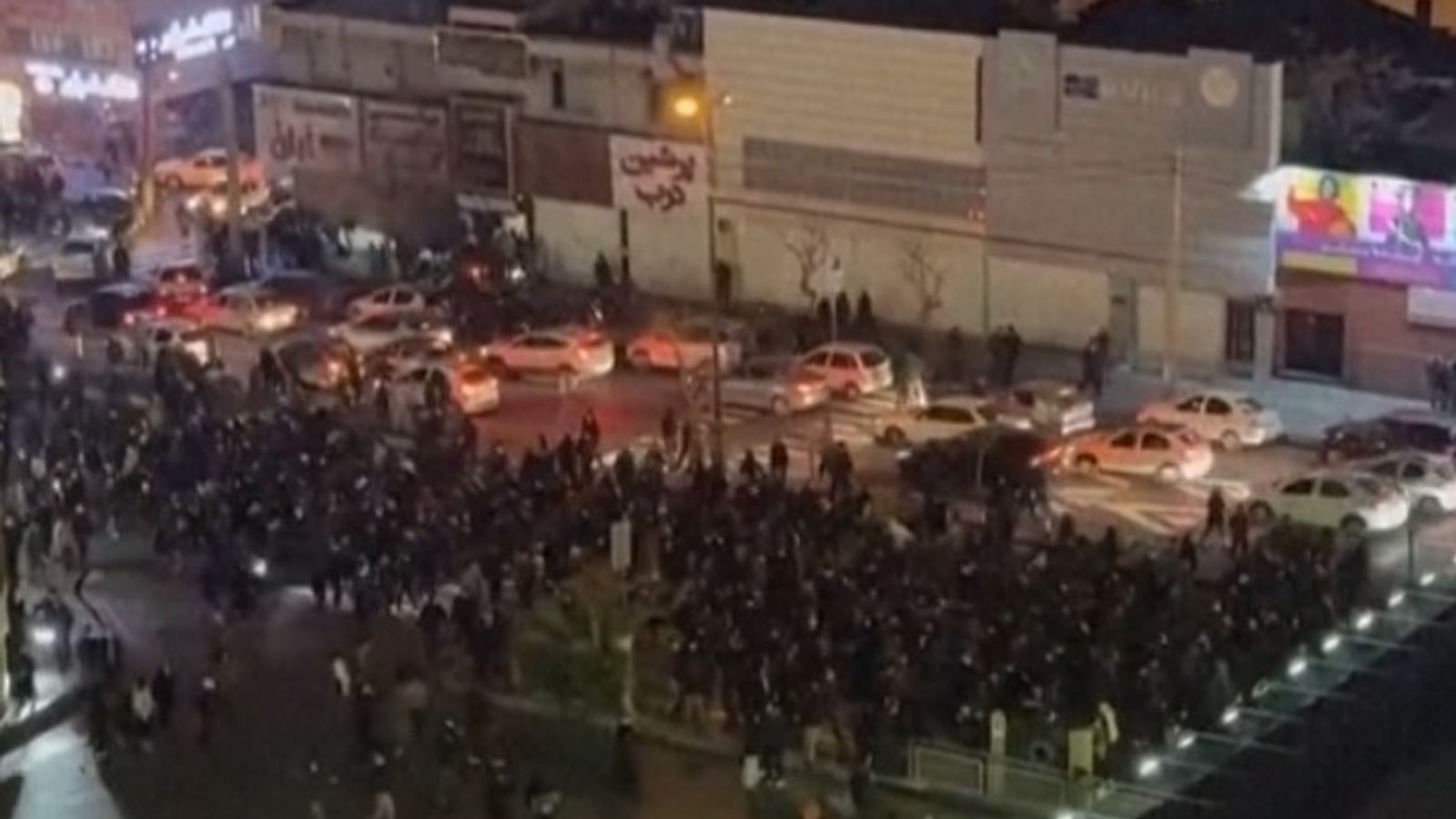 by 0
by 0 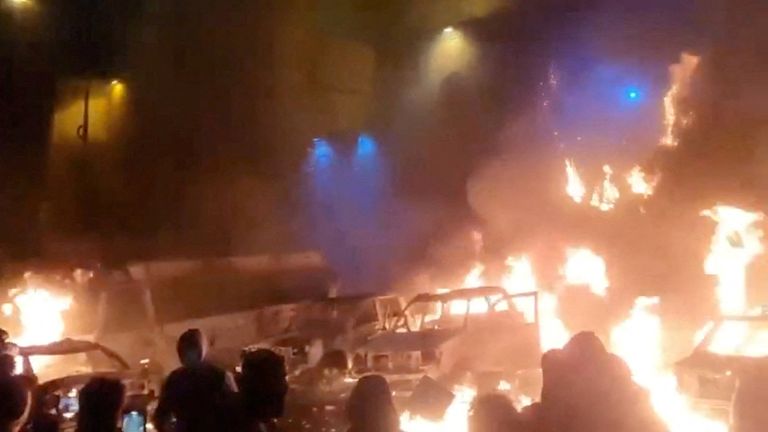
Iran’s supreme leader has warned of a crackdown on protesters, with a prosecutor in Tehran saying some could face the death penalty.
It comes as Donald Trump said “we will get involved” if the government “starts killing people”.
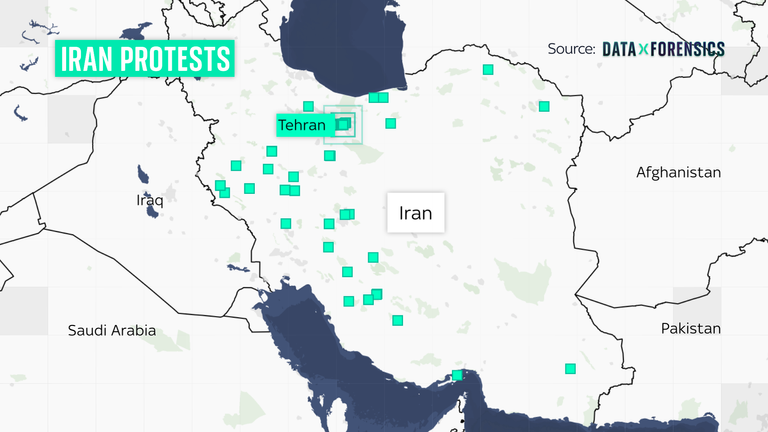
Demonstrations in the capital, sparked by a struggling economy, have spread to other cities, increasing pressure on the country’s leadership.
Iran was largely cut off from the outside world on Friday after authorities imposed a nationwide internet blackout, with state media blaming the protests on “terrorist agents” from the US and Israel.
The death toll from the violence around the latest demonstrations has reached at least 62, with more than 2,300 other people detained, according to the US-based Human Rights Activists News Agency.
As it happened: Tehran makes death penalty threat
In the wake of spreading demonstrations, Iran’s Supreme Leader Ayatollah Ali Khamenei accused protesters of acting on behalf of President Trump.
He said in a brief address that “vandals and rioters” were “ruining their own streets to make the president of another country happy”, and that Tehran would not tolerate people acting as “mercenaries for foreigners”.
‘We will not show leniency’, warns prosecutor
According to the semi-official news agency Tasnim, prosecutor Ali Salehi later said that some protesters in Iran could face the death penalty for their actions.
He added that acts of vandalism targeting public property carried out as part of anti-regime demonstrations will be considered “moharebeh”, translated as “waging war against God”.
“We will not show leniency toward armed terrorists,” Mr Salehi said. “Their sentence is moharebeh.”
The punishment for moharebeh includes execution.
Tasnim also reported that several police officers were shot dead by “armed protesters”.
Read more:
Leaders facing most serious threat since 1979 revolution
Why are people protesting in Iran?
Trump: ‘Iran’s in big trouble’
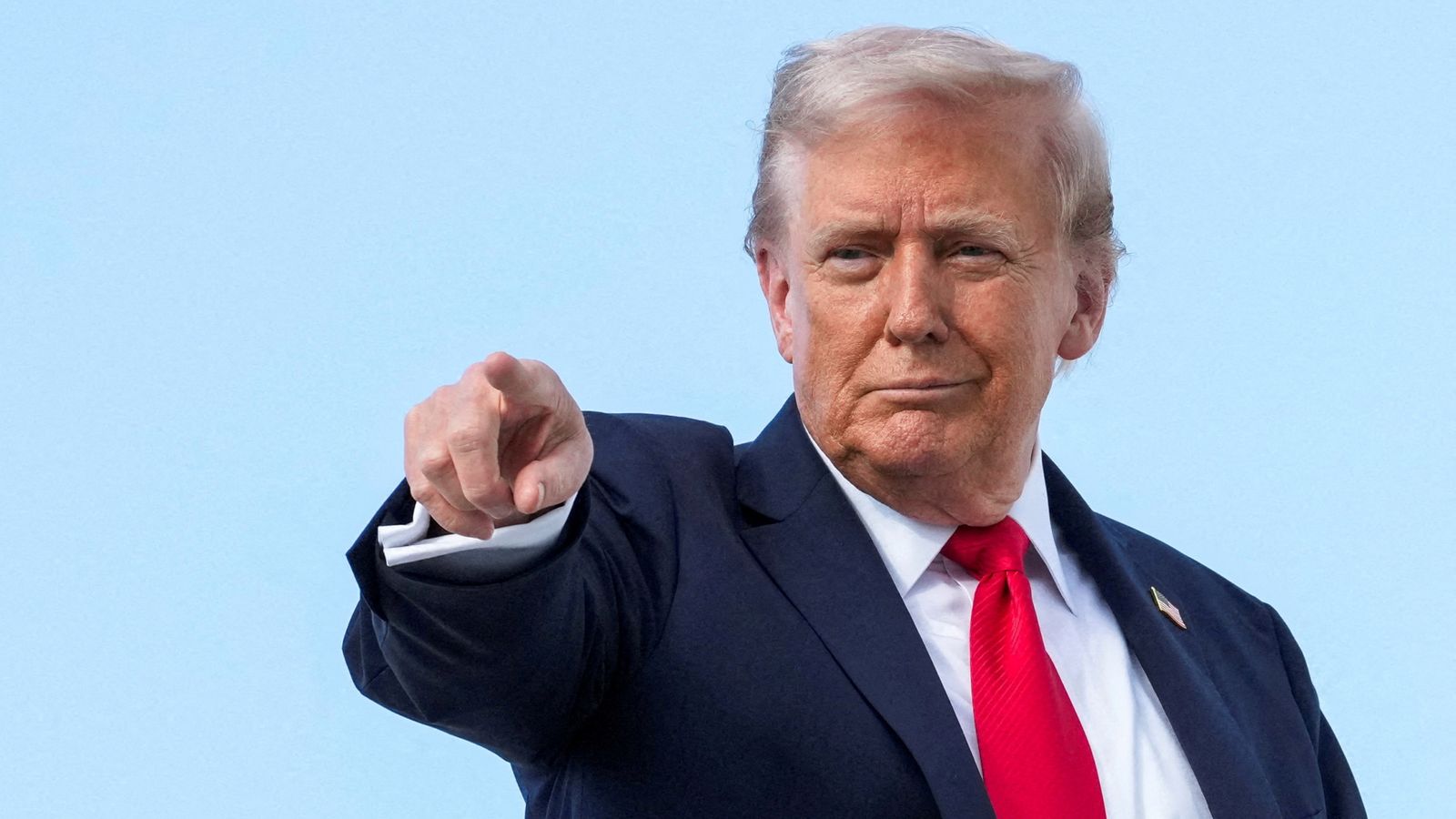
During a White House briefing about Venezuelan oil on Friday evening, Mr Trump, 79, praised the protests and said: “Iran’s in big trouble.
“It looks to me that the people are taking over certain cities that nobody thought were really possible just a few weeks ago.”
The US president, who bombed Iran last summer, also said that “if they start killing people like they have in the past, we will get involved”.
“We’ll be hitting them very hard where it hurts,” he added, “and that doesn’t mean boots on the ground, but it means hitting them very, very hard where it hurts”.
On Thursday, Mr Trump went as far as to suggest the 86-year-old supreme leader may be looking to leave Iran.
“He’s looking to go someplace,” the US leader told Fox News. “It’s getting very bad.”
A joint statement on Friday from the leaders of the UK, France, and Germany also said the countries “strongly condemn” the killing of protesters in Iran and are “deeply concerned” about reports of violence by Iranian security forces.
The UN’s human rights agency added that it is “disturbed” by reports of violence in Iran, “including reported deaths and destruction of property”.
Internet blackout as protests spread
Demonstrations first began in Tehran last month – triggered by a sharp slide in the value of the rial currency – but have since expanded to all 31 of the country’s provinces.
They represent the most significant challenge to the government in several years.
The internet blackout – also affecting international phone calls – started late on Thursday and extended into Friday, according to internet monitoring group NetBlocks.
Call by exiled crown prince
Large protests on Thursday night followed a call by the country’s exiled crown prince for a mass demonstration.
Crown Prince Reza Pahlavi, whose fatally ill father fled Iran just before the country’s Islamic Revolution in 1979, had said in a statement: “Great nation of Iran, the eyes of the world are upon you.
“Take to the streets and, as a united front, shout your demands.”
Read more from Sky News:
Federal agents shoot and injure two people in Oregon
Landfill collapse sends avalanche of rubbish into village
He added after Thursday’s protests: “Iranians demanded their freedom tonight. In response, the regime in Iran has cut all lines of communication.”
The US president said earlier on Friday he would not meet Mr Pahlavi and was “not sure that it would be appropriate” to back him.