Ukraine war: The signs Putin is expecting more conflict, not less – and the frank conversation Keir Starmer needs to have
 by 0
by 0 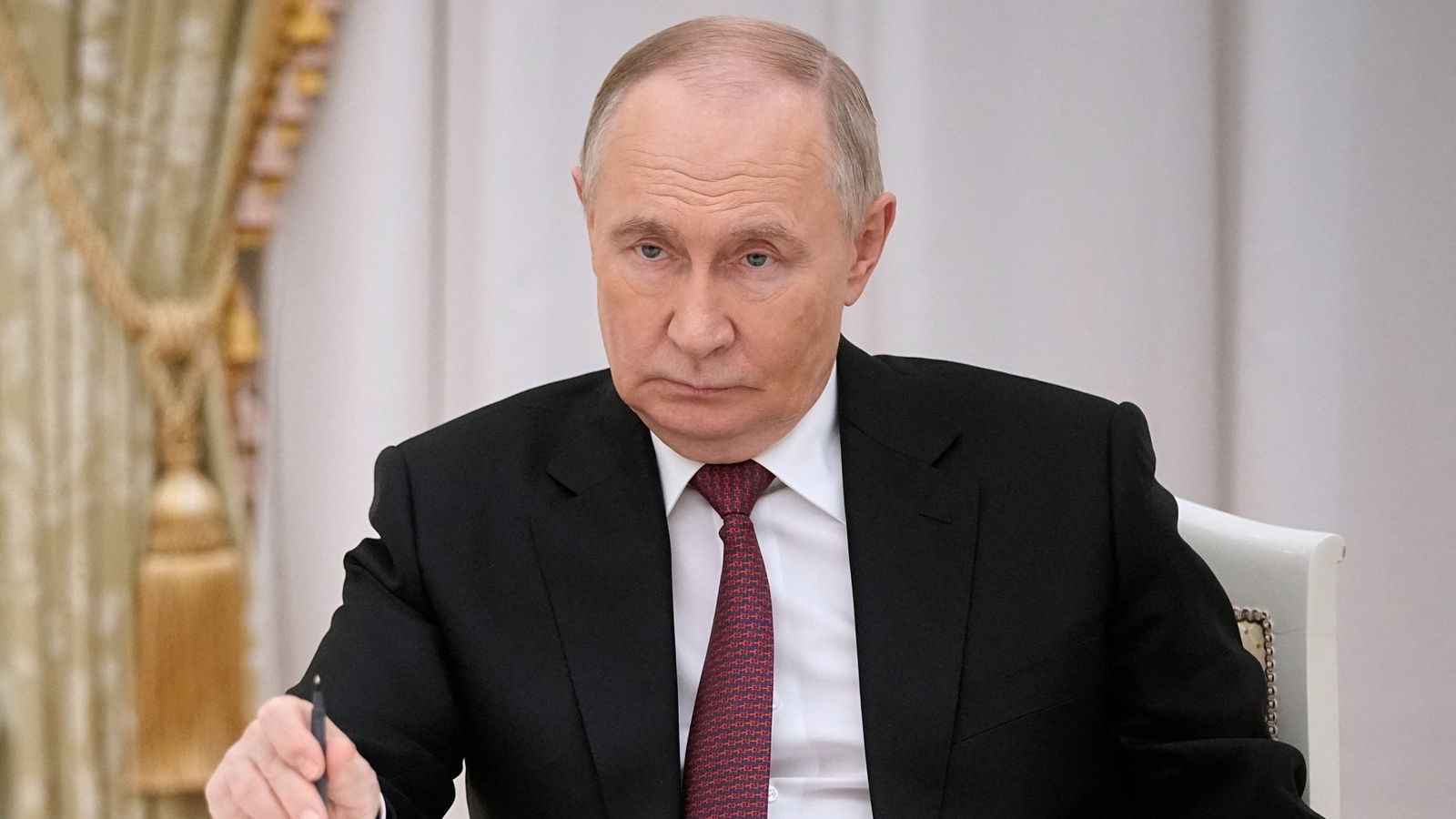 by 0
by 0 
With more than a thousand troops being killed or wounded every day, there’s no sign that Donald Trump’s push to end Russia’s war in Ukraine is reducing the battles on the ground.
Quite the opposite.
Ukraine‘s military chief says Vladimir Putin is instead using the US president‘s focus on peace negotiations as “cover” while Russian soldiers attempt to seize more land.
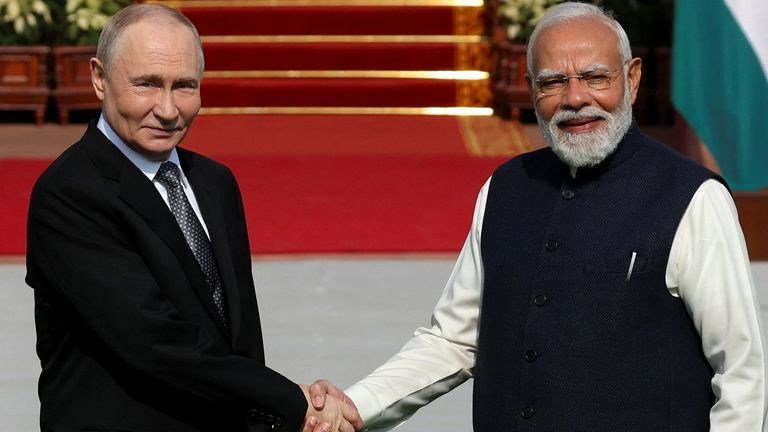
That means much greater pressure on the Ukrainian frontline, even as Russian and American, or American and Ukrainian, or Ukrainian and European, leaders shake hands and smile for cameras before retreating behind closed doors in Moscow, Alaska, and London.
Putin’s not counting on peace
The lack of any indicators that the Kremlin is looking to slow its military machine down also makes the risk of war spreading beyond Ukraine’s borders increasingly likely.
It takes a huge amount of effort, time, and money to put a country on a war footing as Putin has done, partially mobilising his population, allocating huge portions of government spending to the military and realigning Russia’s vast industrial base to produce weapons and ammunition.
But when the fighting stops, it requires almost as much focus and energy to switch a society back to a peace time rhythm.
Deliberately choosing not to dial defence down once the battles cease means a nation will continue to grow its armed forces and weapons stockpiles – a sure sign that it has no intention of being peaceful and is merely having a pause before going on the attack again.
The absence of any preparations by Moscow to slow the tempo of its military operations in Ukraine – where it has more than 710,000 troops deployed along a 780-mile frontline – is perhaps an indicator that Putin is anticipating more not less war.
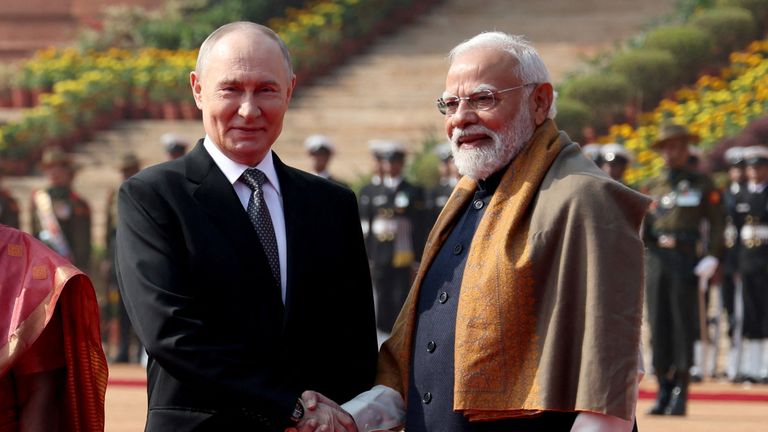
What is Putin trying to achieve in India?
How could the war end?
What happens next in Europe will depend on the content of any peace deal on Ukraine.
An all-out Russian defeat is all but impossible to conceive without a significant change of heart by the Trump White House and a massive increase in weapons and support.
The next best result for Ukraine would be a settlement that seeks to strike a fair balance between the warring sides and their conflicting objectives.
This could be done by pausing the fighting along the current line of contact before substantive peace talks then take place, with Ukraine’s sovereignty supported by solid security guarantees from Europe and the US.
But such a move would require Europe’s NATO allies, led by the UK, France and Germany, genuinely to switch their respective militaries and populations back to a wartime footing, with a credible readiness to go to war should Moscow attempt to test their support of Ukraine.
Why Ukraine’s allies may welcome Trump walking away
Will Starmer level with the public?
That does not just mean increased spending on defence at a much faster rate – in the UK at least – than is currently planned. It is also about the mindset of a country and its willingness to take some pain.
France is already openly saying that parents may have to lose their children in a war with Russia, while Germany is requiring all 18-year-old men to undergo medical checks for possible national service.
No such tough but frank conversation is being attempted by Sir Keir Starmer with the British public.
The furthest his military chief has gone is to say “warfighting readiness” is his top priority.
But that is meaningless jargon for most of the public. Being ready for war is about so much more than what the professional armed forces can do.
Armies fight battles. Countries fight wars.
Read more:
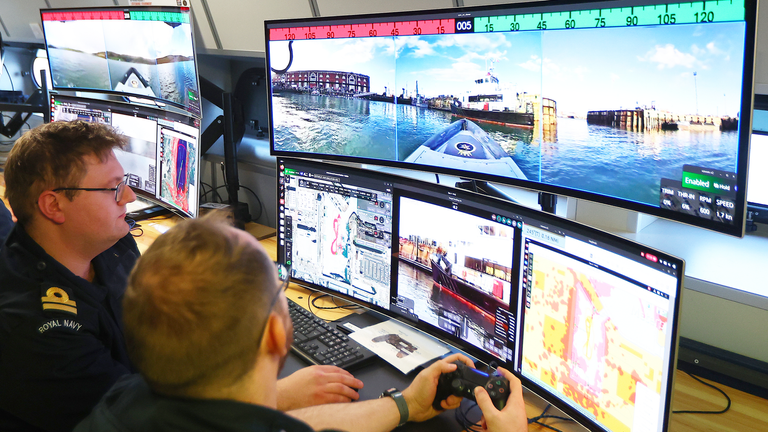
UK unveils undersea tech
Navy chief offers chilling warning
Does Britain’s threat to Russia ring hollow?
New UK military technology unveiled
Worst case scenario?
The other alternative when it comes to Ukraine is a scenario that sees a sidelined Europe unable to influence the outcome of the negotiations and Kyiv forced to agree to terms that favour Moscow.
This would include the surrender of land in the Donbas that is still under Ukrainian control.
Such a deal – even if tolerated by Ukraine, which is unimaginable without serious unrest – would likely only mean a temporary halt in hostilities until Putin or whoever succeeds him decides to try again to take the rest of Ukraine, or maybe even test NATO’s borders by moving against the Baltic States.
With Trump’s new national security strategy making clear the US would only intervene to defend Europe if such a move is in America’s interests, it is no longer certain that the guarantees contained in NATO’s founding Article 5 principle – that an attack on one member state is an attack on all – can be relied upon.
To have a sense of how a war with Russia might play out without the US on NATO’s side, Sky News and Tortoise ran a wargame that simulates a Russian attack on the UK.
In the scenario, Washington does not come to Britain’s defences, which leaves the British side with very few options to respond short of a nuclear strike.
👉Search for The Wargame on your podcast app👈