Sandie Peggie judgment piles pressure on government to issue long-delayed gender guidance
 by 0
by 0  by 0
by 0 
The Sandie Peggie case has been such a high-profile story because it gets to the heart of the debate about trans rights versus women’s rights, which has been so fraught in recent years – especially in Scotland.
While the Supreme Court ruled in April that the Equality Act referred to a person’s biological sex – with major ramifications over who can use female-protected spaces – we are still waiting for long-delayed government guidance on how this should be applied. We are told it’s due “as soon as possible”.
Government minister Dame Diana Johnson brightly told Darren McCaffrey on Sky’s Politics Hub on Monday that organisations “just need to get on with it – the law is clear”.
But with so many organisations waiting for government guidance before changing policy – that’s clearly not the case.
Tap here for the latest political news
Campaigners have criticised the Peggie tribunal for not following the Supreme Court’s lead more directly. The tribunal didn’t find that it was wrong to let Dr Upton use the female changing rooms – just that action should have been taken after Ms Peggie complained.
Her lawyers say that is hugely problematic, as it puts the onus on a woman to complain.
The political reaction has been swift. Conservative leader Kemi Badenoch has long been outspoken on this issue, and she has posted a typically punchy statement in response to the case.
“It’s ridiculous it took two years to reach a verdict that was so obvious from the start,” she wrote on X.
“This entire episode is indicative of a system wasting time and taxpayers’ money to please a small cabal of activists.”
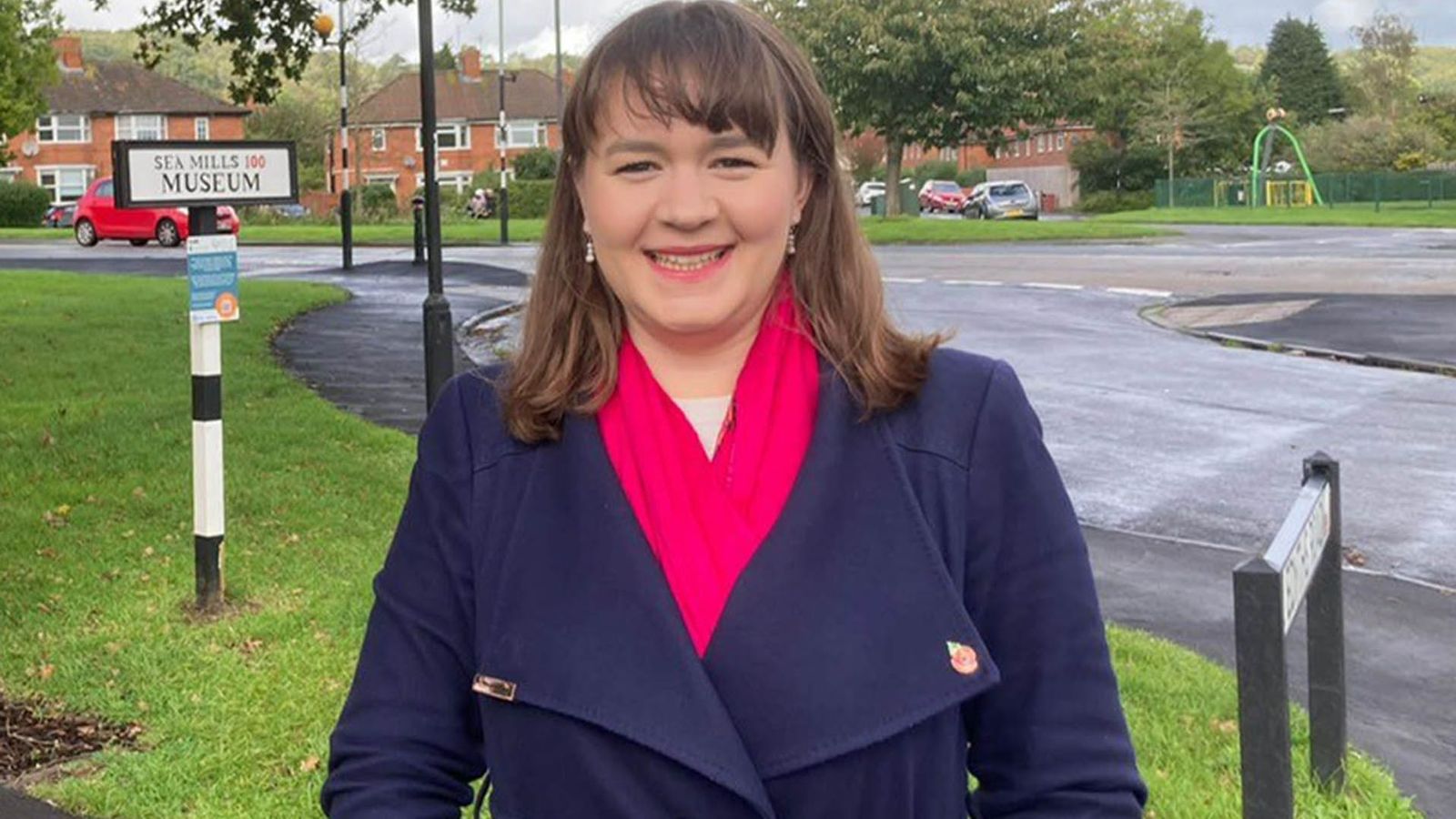
But it’s not just the Tories. Scottish Labour MP Joani Reid described Ms Peggie’s treatment as “a disgrace…enabled by a warped NHS culture and fostered by a Scottish government that refused to listen to women’s concerns”.
Of course, the SNP have always been hugely supportive of trans rights, attempting to pass gender recognition laws which would have made it much easier for people to self-ID. That legislation was blocked by the UK Supreme Court.
John Swinney gave a carefully worded response when asked about the issue on Monday, saying “it’s important to take time to consider the judgment” with no further comment on the questions raised by the case.
Sir Keir Starmer, too, has long been dogged by criticism over the lack of clarity in some of his answers to the question “what is a woman”, although he has sought to be more definite in recent years.
Anna Turley, the chair of the Labour Party, said on Monday that it’s more important to get the Supreme Court guidance right than to get it out quickly.
But Monday’s judgment shows the urgent importance of both.