OBR chief Richard Hughes resigns after budget leak investigation
 by 0
by 0 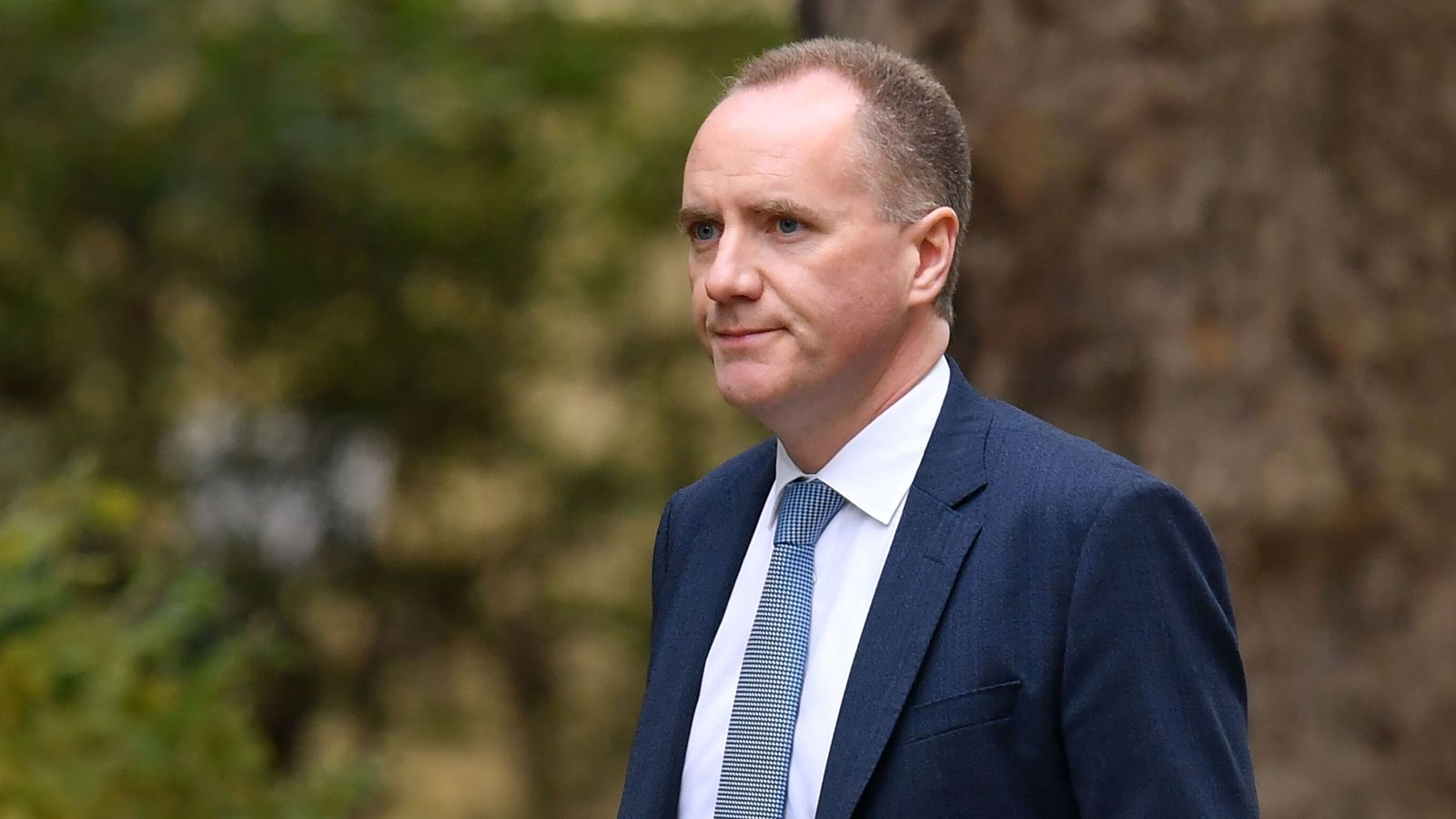
The chairman of the Office for Budget Responsibility (OBR) has resigned after an investigation into the leak of last week’s budget criticised the watchdog’s leadership.
Richard Hughes stepped down following the publication of a report into the early release of Rachel Reeves’s fiscal event.
The OBR’s official forecast, which revealed the contents of the record-breaking tax rise budget, was accessed at 11.35am last Wednesday, about an hour before the chancellor stood up to deliver it.
Latest updates from the Politics Hub
In a letter to Ms Reeves and the chairwoman of the Commons Treasury Committee Dame Meg Hillier, Mr Hughes said he was quitting to allow the OBR to “quickly move on from this regrettable incident”.
He said he took “full responsibility” for “the shortcomings identified in the report”.
Mr Hughes said: “By implementing the recommendations in this report, I am certain the OBR can quickly regain and restore the confidence and esteem that it has earned through 15 years of rigorous, independent economic analysis.”
An investigation ordered by the independent fiscal forecaster soon after the budget called the leak “the worst failure in the 15-year history of the OBR” and strongly criticised the watchdog’s processes for protecting sensitive information.
The probe found there was “nothing to suggest” the premature access was the result of “hostile cyber activity by foreign actors or cyber criminals, or of connivance by anyone working for the OBR”.
“Nor was it simply a matter of pressing the publication button on a locally managed website too early,” the report stated.
It concluded that “configuration errors” led to “a failure to ensure the protections which hide documents from public view immediately before publication were in place”.
“The ultimate responsibility for the circumstances in which this vulnerability occurred and was then exposed rests, over the years, with the leadership of the OBR,” the investigation said.
Did Rachel Reeves mislead the nation with her budget?
Kemi Badenoch claimed that Ms Reeves was trying to use Mr Hughes as a “human shield”.
The Conservative leader said on social media: “More serious questions for the chancellor as she tries to make Richard Hughes her human shield.
“Her actions have turned this into a full blown political crisis for the government. If [Prime Minister] Keir Starmer had a backbone, he would have sacked Reeves long ago.”
Mr Hughes had been under pressure to explain the leak, which he immediately apologised for, and ordered the investigation.
It is also led by Professor David Miles and Tom Josephs, with Baroness Sarah Hogg and Dame Susan Rice as non-executive members.
There are 52 permanent staff, who are civil servants, with six of those working on the strategy, operations and communications team.
The report acknowledged the leak “changed the pattern of budget day to the chancellor’s disadvantage”.
Read more:
The budget’s key points
‘Of course I didn’t’ lie about budget forecasts – Reeves
It revealed the OBR’s spring statement 2025 was also accessed ahead of time, but said the likely explanation “is benign”.
And it said last week’s budget forecast document had multiple attempts to access it before it was inadvertently made accessible online.
The investigation partly blamed the Treasury and the Cabinet Office, as the OBR’s IT services were moved on to the Treasury’s shared systems in 2023 to “align more closely with Treasury security arrangements”, particularly around the sharing of sensitive budget information between the OBR and Treasury.
It said the Treasury should pay “greater attention” when setting the OBR’s budget, currently £6.4m, to the need for adequate support.
The investigation said there was pressure on the small team involved to ensure the full economic and fiscal outlook was published when the chancellor sat down after giving her budget, so a pre-publication “facility” was used.
But this commonly used device created a “potential vulnerability if not configured properly” and had not received the same amount of attention by the OBR as it had placed on security of communications with the Treasury “during the long period of run-up to the budget”.
Starmer says he did not mislead the public
An outside web developer, who has helped the OBR team since it came into existence 15 years ago, assists the internal team and manages content and uploads at times of pressure, including the release of the budget forecast.
The report said the risks of this approach have increased over the years as technologies have developed and online threats have risen.
“With hindsight, it is clear that over the years this arrangement should have been regularly reexamined and assessed by the management of the OBR,” the report said.
It recommended the process for publishing forecasts should “immediately” be removed from the OBR’s locally managed website, which is a WordPress website, and published as part of a government website.